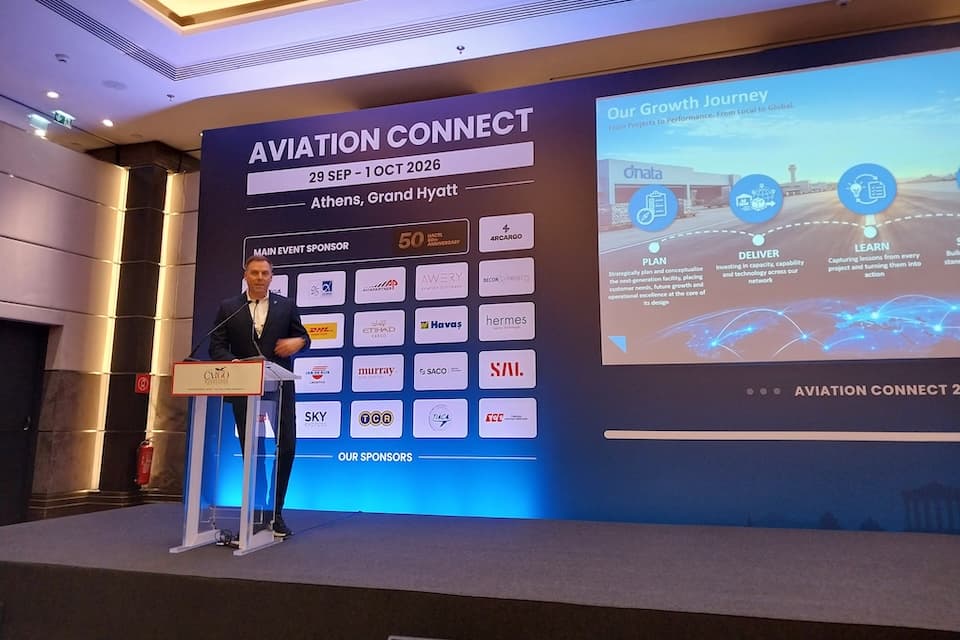
dnata has reflected on the operational difficulties encountered during the opening of its advanced automated air cargo facility at Amsterdam Schiphol Airport in July 2025. A primary takeaway from this experience was the critical need to meticulously manage the pace and sequential rollout of new technologies.
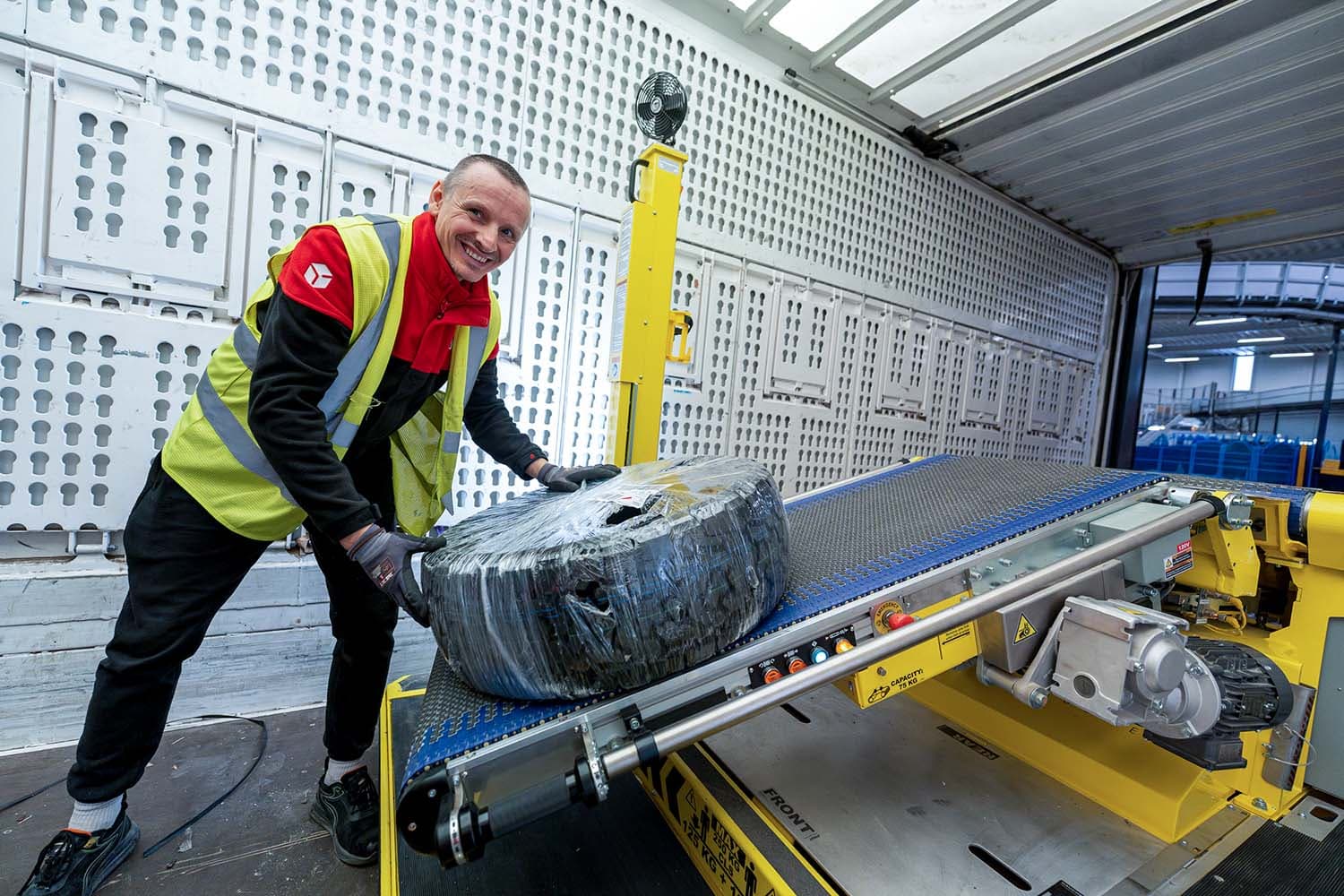
The facility, designed with extensive automation and technology integration, initially faced significant hurdles due to data discrepancies across its multiple interconnected systems. These issues impacted the smooth functioning of operations during the initial phase of the launch.
For freight forwarders and operations managers, such incidents underscore the potential for initial disruptions when new, complex automated systems are introduced at critical logistics hubs. While automation promises efficiency gains in the long term, the transitional period can lead to delays and require careful contingency planning for cargo routing and handling. Forwarders should anticipate potential ramp-up periods for new facilities and factor in possible initial service adjustments when booking air freight through such hubs.