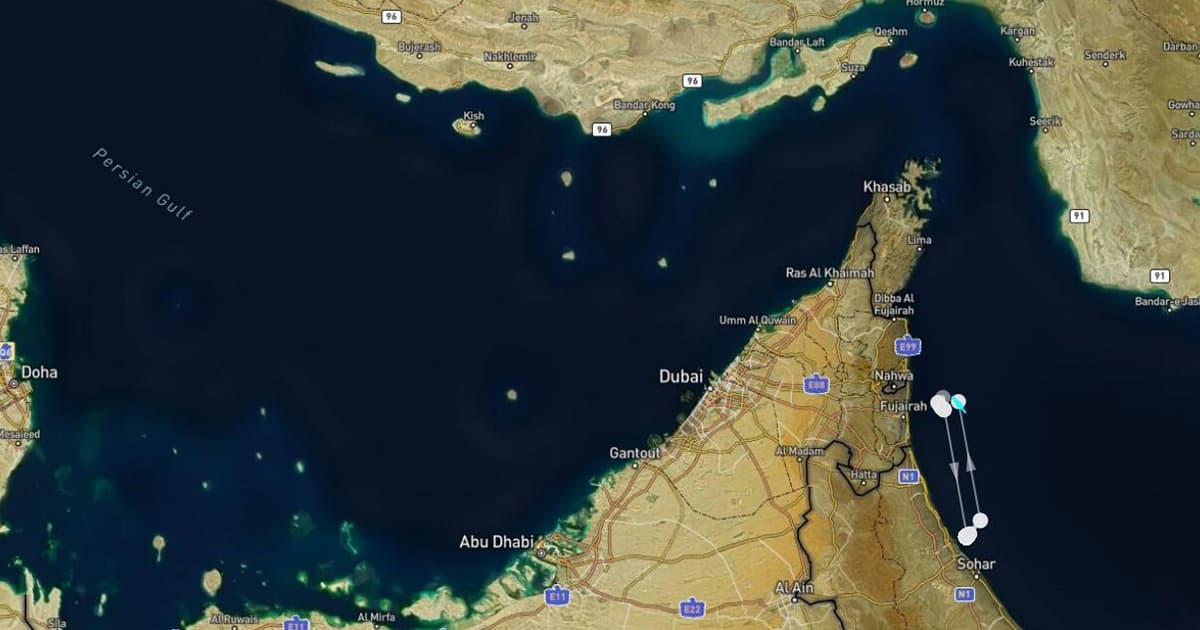
Since late February, vessels engaged in transporting non-Iranian crude oil have been observed to increasingly switch off their transponders, a measure taken to evade detection in the Middle East following the onset of regional conflict. This practice, often referred to as 'going dark,' involves disabling the Automatic Identification System (AIS), which is typically used for tracking and safety.
This trend echoes similar behaviors seen in other conflict zones or regions where vessels attempt to circumvent sanctions or scrutiny. The primary motivation appears to be a heightened sense of security or a desire to operate discreetly within a volatile geopolitical landscape.
For freight forwarders and supply chain analysts, this development introduces significant challenges. The lack of consistent AIS data makes real-time vessel tracking more difficult, impacting schedule reliability predictions and increasing the risk of unforeseen delays. It also complicates due diligence for cargo insurance and compliance, as the precise movements and locations of these vessels become opaque. Shippers might face higher insurance premiums due to increased perceived risk, and the overall transparency of the oil supply chain is diminished. Operations managers must account for potential disruptions and reduced visibility when planning routes and managing expectations for crude oil shipments originating from or transiting the Middle East.
The article does not specify any immediate next steps or policy changes in response to this trend, but it highlights an ongoing operational adaptation within the maritime sector due to geopolitical tensions.