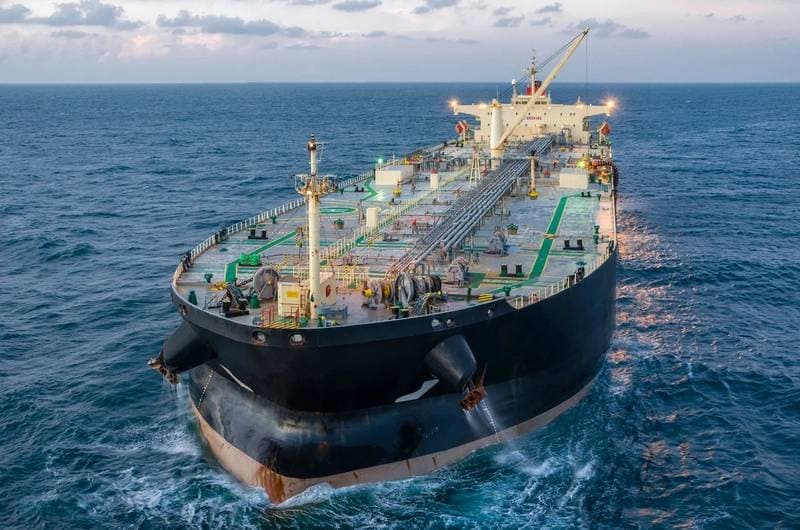
Shipping activity in the Strait of Hormuz has experienced a notable slowdown, according to recent data. This reduction in traffic is primarily attributed to the reluctance of many shipowners to transit the crucial waterway. The hesitation arises from the absence of explicit signals or official announcements regarding the strait's full and safe reopening after a blockade imposed during the recent Iran war.
For freight forwarders and operations managers, this situation introduces significant routing challenges and potential delays for shipments reliant on passage through the Strait of Hormuz. The lack of clarity on operational status means increased risk assessment and potentially higher insurance premiums for vessels that do choose to transit. Forwarders may need to explore alternative, longer routes, leading to extended transit times and increased fuel costs, which will ultimately impact freight rates and supply chain lead times for affected cargo. The uncertainty also complicates vessel scheduling and capacity planning.
On Tuesday, only six commodity vessels were reported to have navigated the strait, indicating a substantial drop in typical traffic volumes. This limited movement highlights the ongoing apprehension within the maritime industry regarding the security and operational stability of the area.