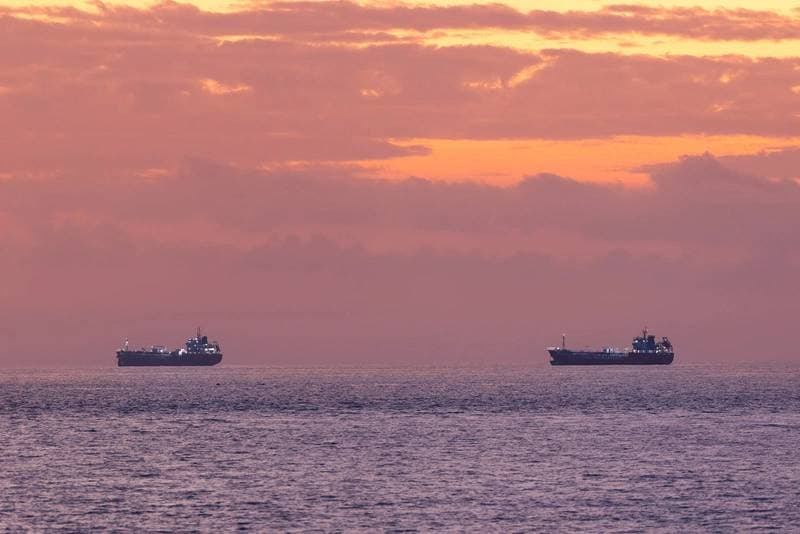
Shipping activity in the Strait of Hormuz experienced a minor uptick on Monday, with six commodity vessels reportedly transiting the critical waterway. Despite this slight increase, the overall number of crossings remained in the single digits, indicating continued caution or reduced traffic in the region. This development occurs against a backdrop of ongoing stagnation in peace talks between the United States and Iran.
The Strait of Hormuz is a vital chokepoint for global oil and gas shipments, and any disruption or perceived instability can significantly impact energy markets and maritime insurance premiums. The current political stalemate between the U.S. and Iran contributes to an environment of uncertainty in the region.
For freight forwarders and shippers, the low transit numbers and persistent geopolitical tensions in the Strait of Hormuz signal potential risks. This could translate into higher war risk premiums for vessels, extended transit times due to increased security measures, or even rerouting considerations for sensitive cargo. Operational managers should monitor the situation closely for any escalation that might affect vessel schedules or capacity in the Arabian Gulf. The ongoing political deadlock suggests that these conditions may persist, requiring forwarders to factor in potential delays and cost increases when planning shipments through this area.
The article does not provide specific details on what might happen next, but the implication is that the situation will remain sensitive as long as U.S.-Iran talks are stalled.