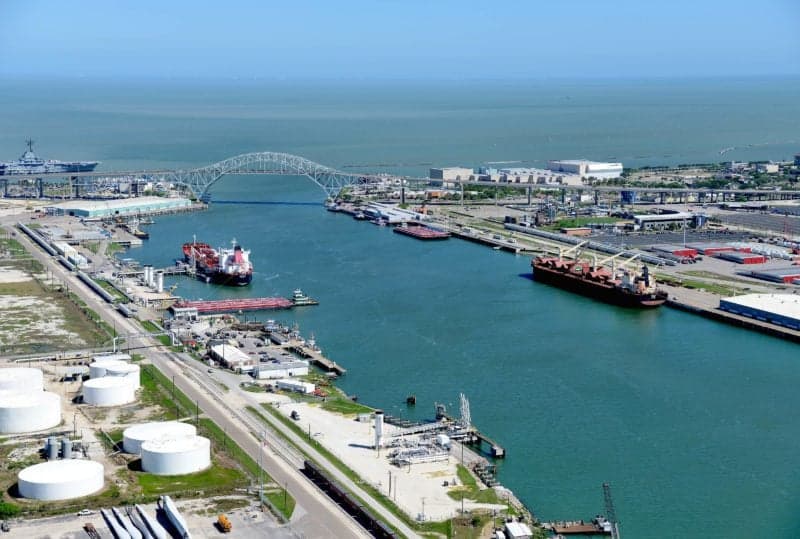
The Port of Corpus Christi has formally joined a federal initiative to integrate nuclear technology into the United States maritime sector. This collaboration involves a signed agreement with the U.S. Maritime Administration (MARAD) to explore the feasibility and implementation of nuclear propulsion for commercial vessels. The move signifies a commitment to advancing domestic nuclear capabilities within the shipping industry.
This development aligns with a broader national strategy to modernize the U.S. merchant fleet and enhance its operational independence. The exploration of nuclear power is driven by potential benefits such as reduced reliance on fossil fuels, lower emissions, and increased vessel endurance, which could offer strategic advantages for both commercial and defense-related maritime activities.
For freight forwarders and shippers, the long-term implications could include the emergence of a new class of highly efficient and environmentally sustainable vessels. While immediate impacts on rates or capacity are unlikely, successful development could eventually lead to more reliable schedules and potentially lower fuel surcharges as nuclear-powered ships become operational. It also signals a shift towards more resilient and less carbon-intensive supply chains.
Future steps will likely involve detailed studies on regulatory frameworks, safety protocols, infrastructure development, and economic viability to support the deployment of nuclear-powered ships.