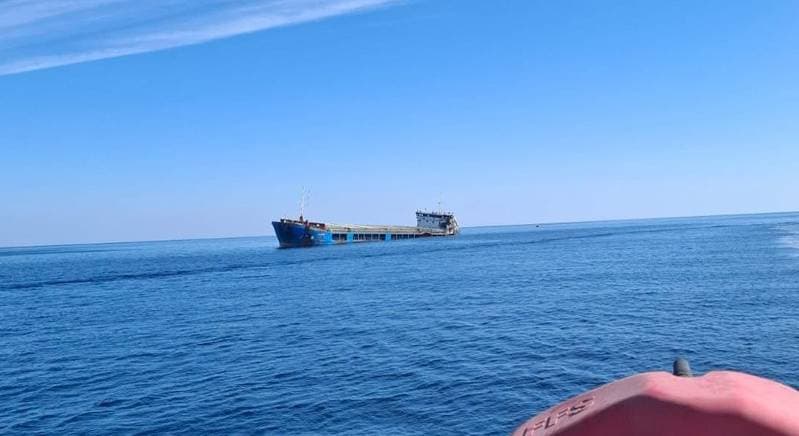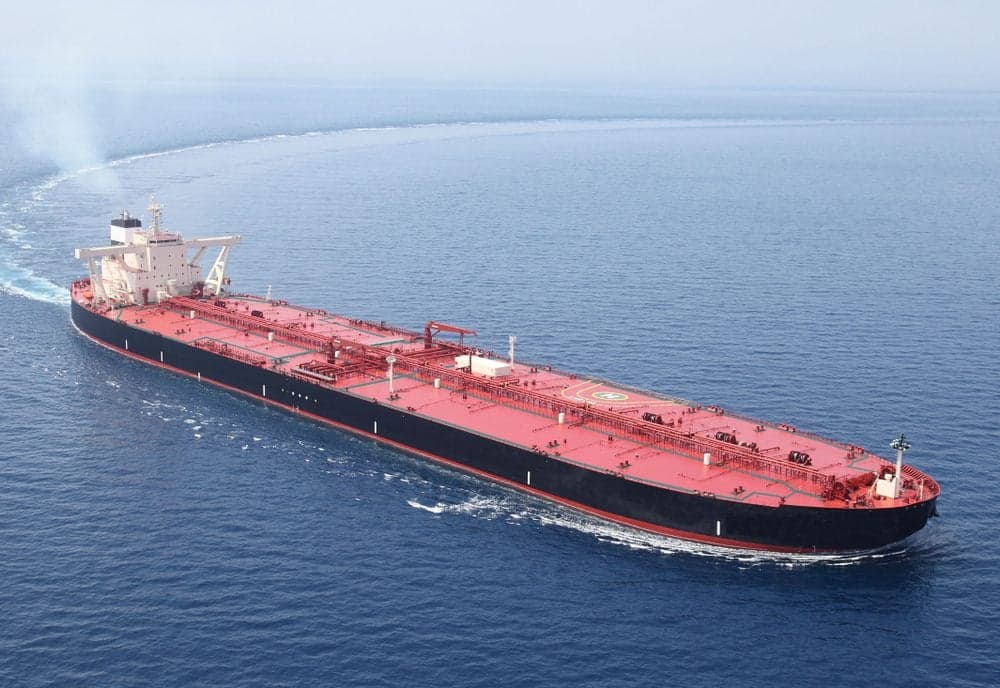
Three supertankers with ties to China recently executed U-turns in the Strait of Hormuz, a critical chokepoint for global oil shipments. This action underscores the persistent high-risk environment for maritime operations in the area. The decision to divert suggests that the prospects for a return to regular shipping patterns in the Strait are currently low, particularly after the US President adopted a stringent policy towards Iran.
For freight forwarders and operations managers, this situation implies continued volatility and potential disruptions for tanker movements through the Persian Gulf. Shippers may face increased transit times, higher insurance premiums, and potential surcharges as carriers navigate perceived security threats. The need for robust risk assessment and contingency planning for cargo transiting this region remains paramount.
The ongoing geopolitical tensions and the US administration's firm stance on Iran are key factors contributing to the sustained risk profile in the Strait of Hormuz. This environment necessitates constant monitoring of advisories and potential re-routing options to mitigate supply chain impacts.