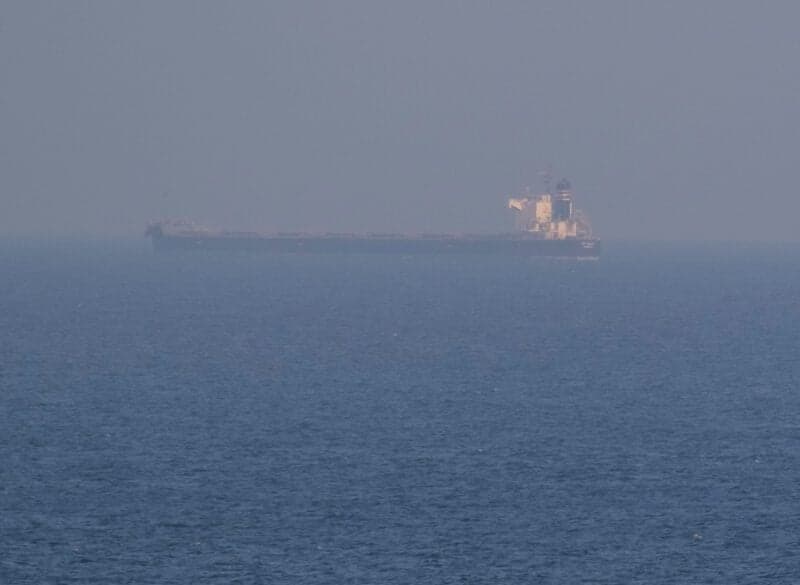
Recent attacks targeting vessels in the Azov and Black Sea regions have led to a drastic reduction in grain export capabilities from Russia and Ukraine. More than 97% of the combined grain export capacity from these countries has ceased operations due to the ongoing security threats. This severe disruption has effectively removed a substantial volume of low-cost grain from the international market.
This situation is a direct consequence of the ongoing conflict and its impact on maritime trade in the region. The Black Sea is a critical corridor for agricultural commodities, and its instability has far-reaching implications for global food supply chains.
For freight forwarders and shippers, this means a significant loss of a key trade lane for bulk agricultural products. The reduced supply from the Black Sea will likely drive up demand and prices for grain from alternative origins, potentially increasing freight rates on other routes. Forwarders will need to explore new sourcing regions and adjust logistics plans to mitigate the impact of this supply shock, potentially facing longer transit times and higher costs for their clients. The increased risk in the Black Sea also translates to higher war risk premiums for any vessels still operating in the area, further adding to shipping costs.
While the article does not specify immediate next steps, the continued disruption suggests that alternative supply routes and sourcing strategies will become increasingly important for global grain buyers and logistics providers.