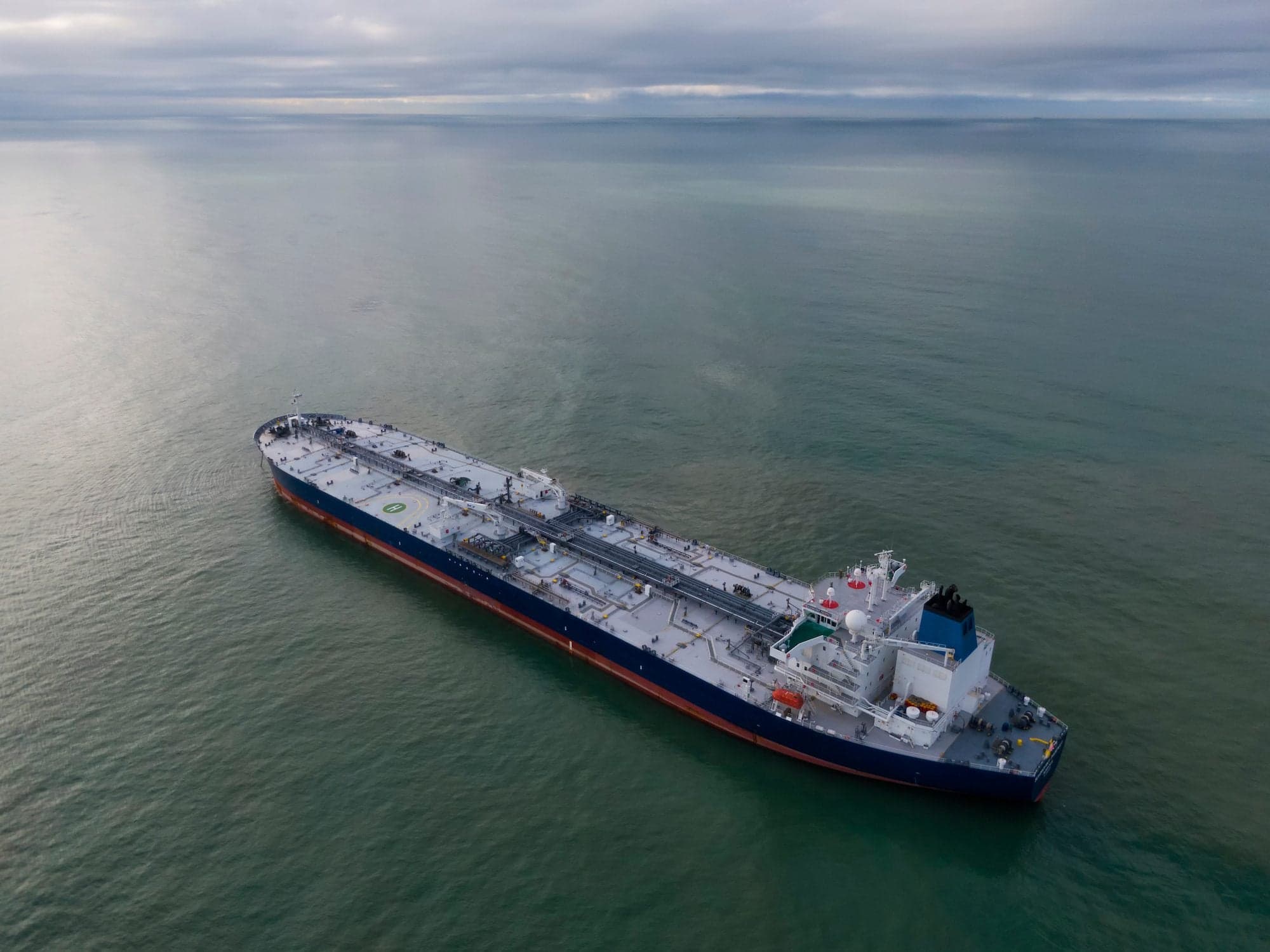
Earnings for Very Large Crude Carriers (VLCCs) engaged in transporting crude oil from the Persian Gulf to Asian destinations are experiencing a significant surge, now approaching a two-month high of approximately $510,000 per day. This upward trend is primarily attributed to increased demand from oil exporters seeking to secure vessels for crude shipments. The route involves transit through the critical Strait of Hormuz, a choke point where security concerns persist.
This development indicates a tightening market for large crude tankers in the Middle East, with charterers willing to pay higher rates to ensure timely delivery of oil. The sustained demand, even in the face of geopolitical tensions, underscores the strategic importance of this trade lane.
For freight forwarders and supply chain analysts, this signals potential volatility in tanker rates and could indirectly impact the cost of oil, which might then affect overall logistics costs. While directly relevant to oil and gas logistics, the broader market sentiment of increased shipping costs due to regional instability is a key takeaway. Forwarders involved in project cargo or other bulk movements in the region should monitor these trends as they can influence vessel availability and pricing across different segments.
The article does not specify any future outlook or predictions regarding these earnings or the security situation.