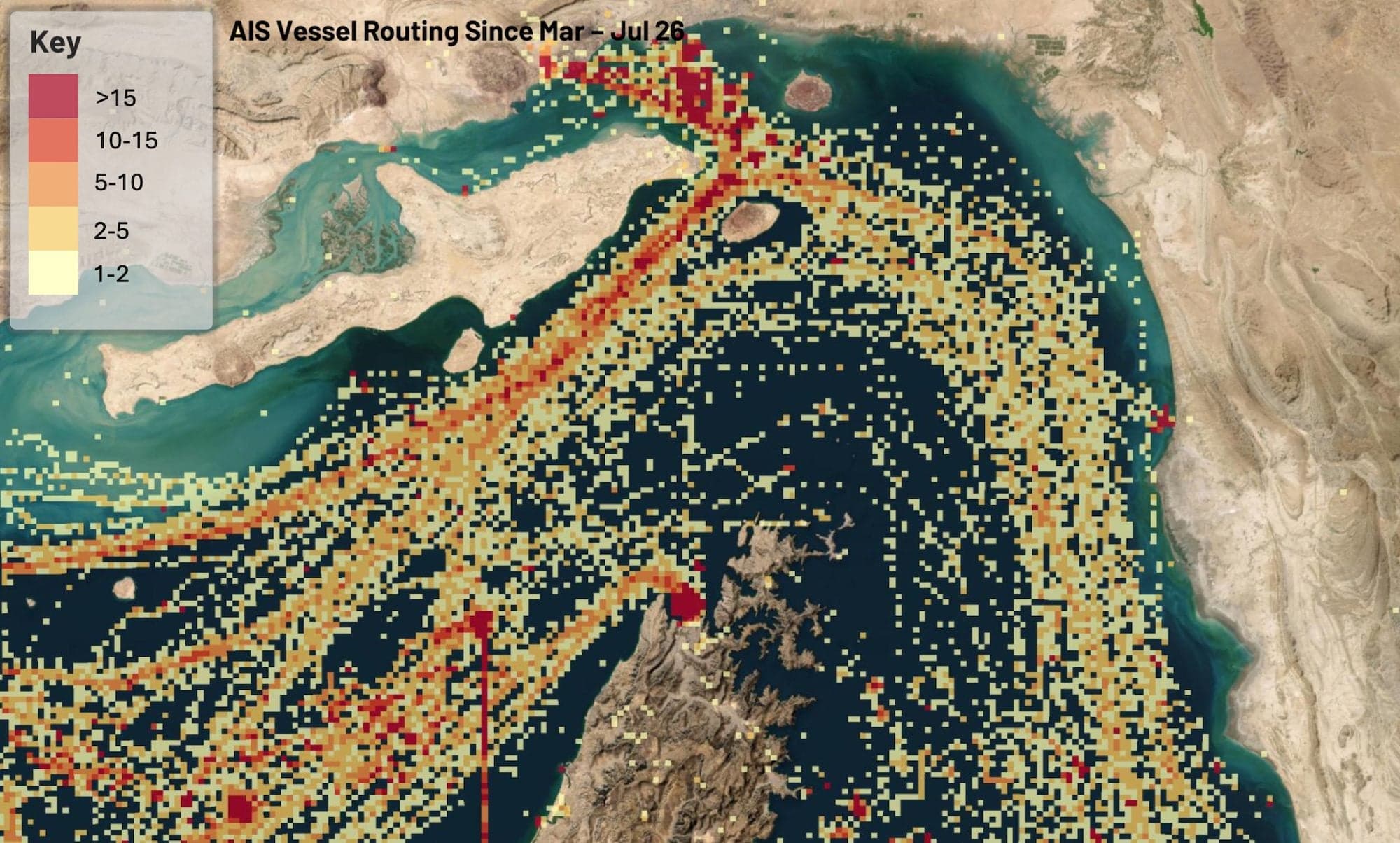
Recent Iranian aggressions against commercial shipping have prompted a notable change in maritime traffic through the Strait of Hormuz. Vessels are increasingly choosing the northern corridor, which falls under Iranian jurisdiction, instead of the southern route coordinated by the U.S. Navy and passing through Omani waters.
This shift is a direct response to the heightened security risks posed by Iranian actions. The Strait of Hormuz is a critical chokepoint for global oil and gas shipments, and any disruption or perceived threat in its waters has significant implications for international trade and energy markets. The U.S. has historically maintained a presence to ensure freedom of navigation, but the current situation suggests a growing reluctance among commercial operators to rely solely on that protection.
For freight forwarders and shippers, this development introduces new layers of complexity and risk. Navigating through Iranian-controlled waters could lead to increased scrutiny, potential delays, or even the risk of vessel seizure, impacting schedule reliability and cargo insurance premiums. Forwarders will need to closely monitor geopolitical developments and assess the implications for their clients' shipments, potentially adjusting routing strategies or advising on enhanced security measures. The shift could also influence war risk premiums for vessels transiting the area.
While the article does not specify what actions might follow, the situation suggests a continuing need for vigilance and adaptive strategies in this critical maritime region.