Cross-border e-commerce has emerged as a fundamental force driving air cargo demand across the globe. Airports, particularly those in Europe such as Liège, are strengthening their market position by offering continuous 24/7 operations and unconstrained access for airfreight. This operational flexibility is crucial for accommodating the rapid scaling and high-frequency shipment flows characteristic of platform-driven e-commerce.
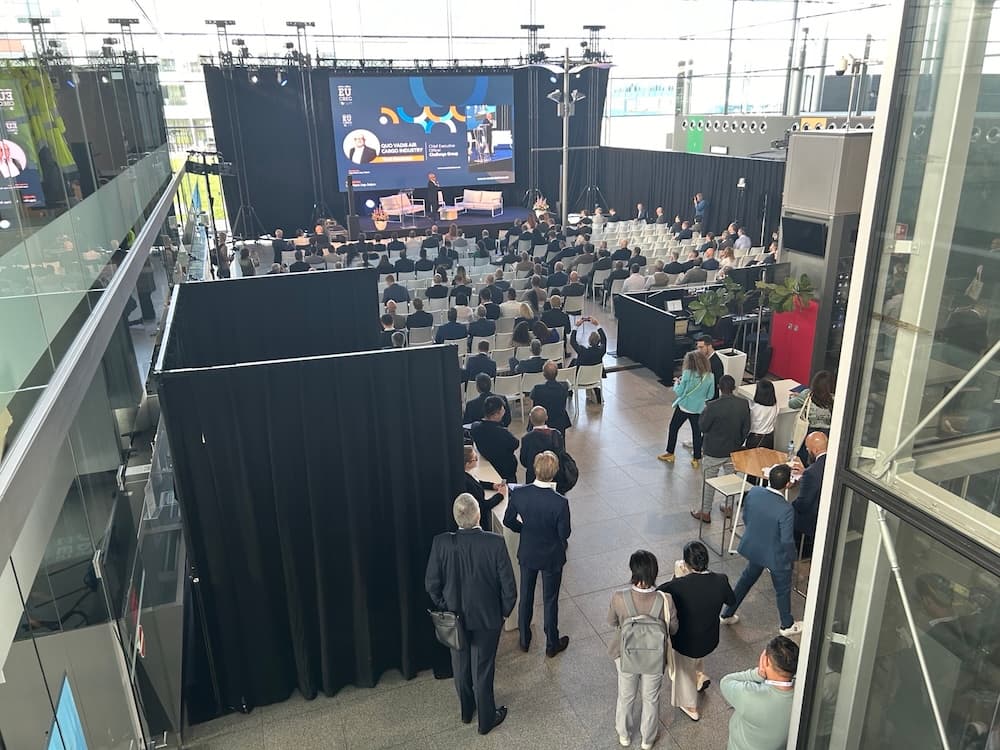
The European Union's Cross-Border E-Commerce Forum plays a vital role in bridging the gap between regulatory bodies and industry stakeholders. This forum aims to align customs procedures, compliance requirements, and operational practices to support the efficient movement of e-commerce goods across borders.
For freight forwarders and operations managers, this trend signifies continued growth in air cargo volumes, particularly for time-sensitive e-commerce shipments. The emphasis on 24/7 operations at key hubs means that forwarders can expect faster transit times and greater flexibility in scheduling. However, it also highlights the increasing importance of robust customs brokerage and compliance solutions to navigate the evolving regulatory landscape, especially with initiatives like the EU Cross-Border E-Commerce Forum working to refine these processes. Forwarders should monitor developments from such forums to anticipate changes in customs requirements and ensure smooth, compliant operations for their e-commerce clients.