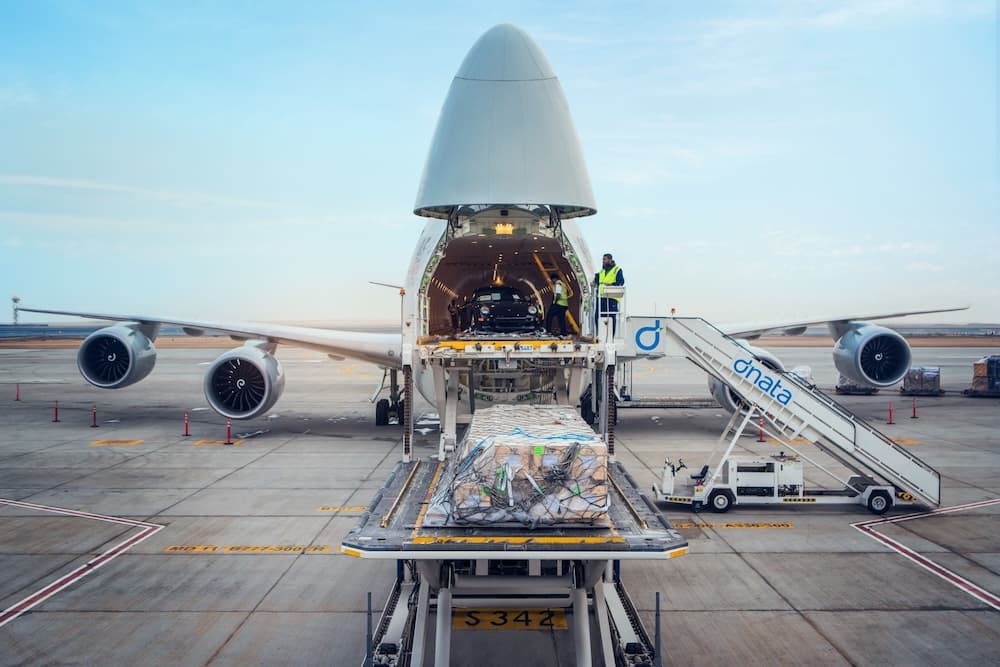
Dubai's logistics ecosystem is increasingly leveraging a multimodal strategy to enhance its resilience in the face of escalating trade disruptions within the Gulf region. This approach allows for swift recovery, enabling logistics providers to rebalance capacity, reroute shipments, and switch between airfreight, sea-air, and air-to-air networks within hours or days, rather than weeks. This represents a fundamental shift from merely reacting to disruptions to proactively designing a robust, integrated logistics model.
Historically, logistics operations in the region might have relied on more singular transport modes, with recovery times being longer. However, the increasing frequency and intensity of disruptions necessitate a more agile and interconnected system. By integrating various transport options, Dubai aims to minimize the impact of unforeseen events on supply chains.
For freight forwarders and operations managers, this development signifies improved reliability and flexibility when routing cargo through Dubai. The enhanced multimodal capabilities mean that alternative solutions can be implemented quickly during disruptions, potentially reducing transit delays and mitigating cost increases associated with prolonged interruptions. It also highlights Dubai's strategic importance as a hub capable of offering diverse and resilient forwarding options.
Looking ahead, this strategic investment in multimodality is expected to solidify Dubai's position as a critical global logistics hub, capable of maintaining efficient trade flows even amidst regional instability.