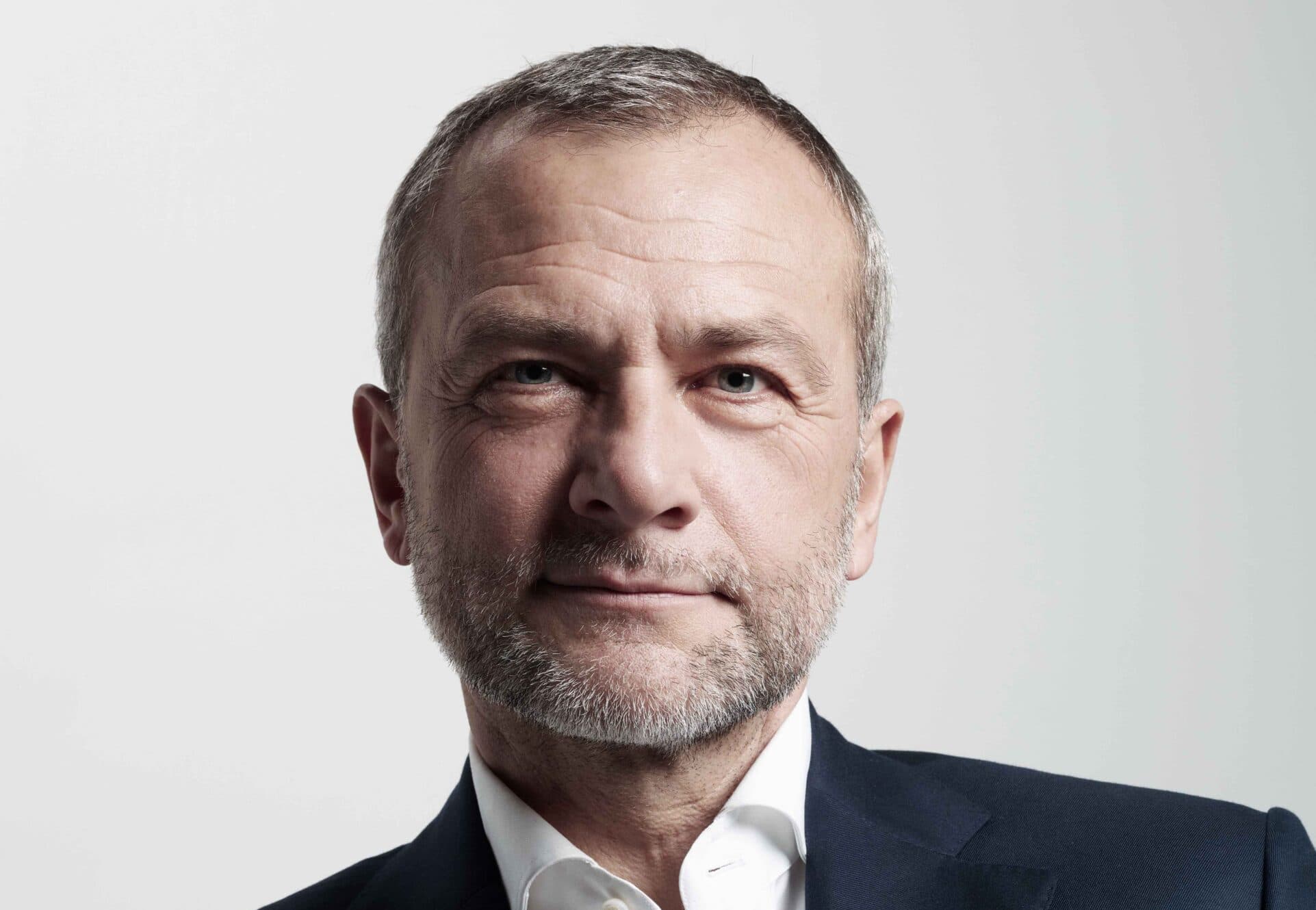
ClassNK, a prominent classification society, asserts that the evolution of maritime safety will be defined by the successful integration of human capabilities and technological innovations. Captain Naoki Saito, General Manager and Head of the Cyber Security Ship Management Systems Department at ClassNK, emphasized that mandatory procedures and human involvement remain crucial, even as the industry adopts more advanced systems.
This stance suggests that while automation and digital tools will enhance efficiency and data analysis, the human element—encompassing decision-making, problem-solving, and adaptability—will continue to be indispensable for safe vessel operations. The industry must focus on developing interfaces and protocols that allow humans and technology to collaborate seamlessly, leveraging the strengths of both.
For freight forwarders and operations managers, this perspective implies a continued need for skilled personnel in maritime operations, even with increasing digitalization. Training programs will likely evolve to focus on human-system interaction, cyber security awareness, and the interpretation of complex data from advanced onboard systems. This approach aims to prevent incidents by ensuring that technology supports, rather than replaces, critical human oversight and judgment, ultimately contributing to more reliable supply chains and reduced risks for cargo.