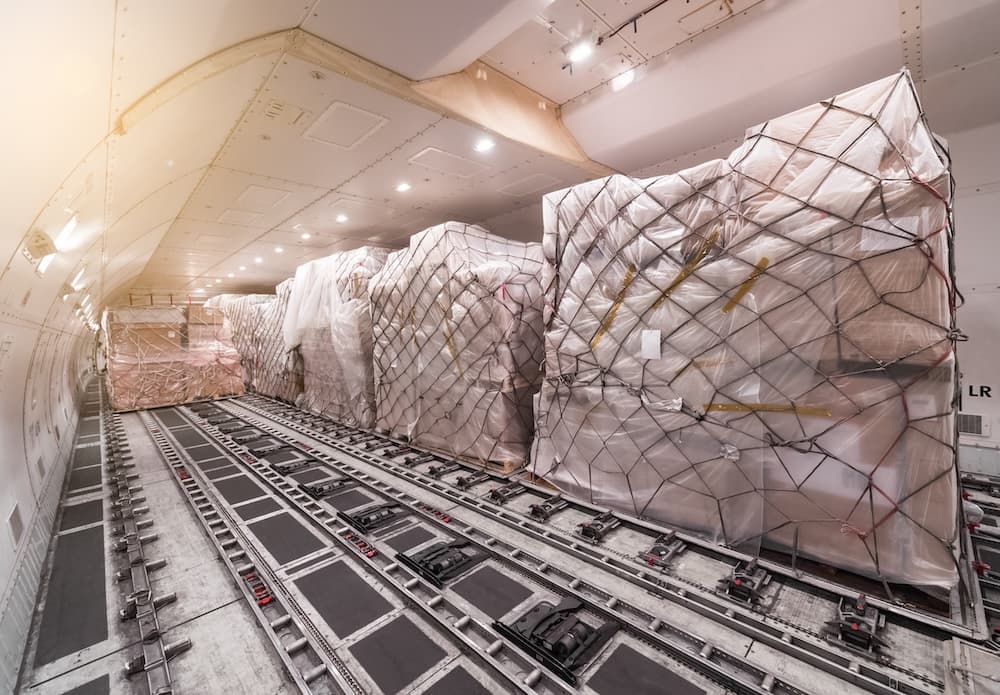
The recently concluded trade agreement between the United Kingdom and India is projected to progressively strengthen their existing trade relationship, with a particular focus on air cargo. This growth is expected to concentrate on high-value, time-sensitive, and temperature-controlled goods. Key sectors poised for expansion include pharmaceuticals, medical technology, electronics, automotive components, and premium consumer products.
Operational efficiencies are a significant aspect of this agreement. The introduction of digital customs processes, paperless trade initiatives, and generally more streamlined procedures are expected to reduce administrative burdens. This reduction in friction should lead to improved customs clearance times and overall operational flow.
For freight forwarders and operations managers, this agreement signals potential for increased volumes in specific, high-yield airfreight segments between the UK and India. The emphasis on digital customs and paperless trade could lead to faster transit times and reduced dwell times at airports, improving supply chain predictability. Forwarders should anticipate a greater demand for specialized services, such as temperature-controlled logistics, and prepare to leverage digital tools for customs declarations to optimize clearance processes. This could also influence routing decisions, prioritizing carriers and hubs with efficient digital infrastructure.