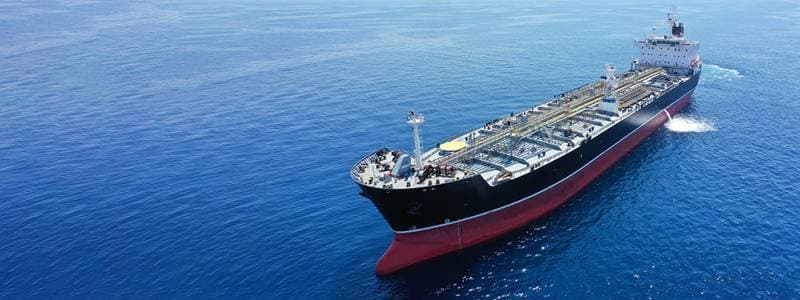
Shipping activity in the Strait of Hormuz saw a considerable reduction this past weekend, according to recent data. On Saturday, only five commodity vessels navigated the strait, and no transits were recorded for Sunday. This slowdown follows a series of attacks on tankers in the region, prompting increased concern within the maritime industry.
The decrease in traffic coincides with a standstill in diplomatic efforts between the United States and Iran to de-escalate Middle East tensions. The Strait of Hormuz is a vital chokepoint for global oil and gas shipments, and any disruption there has significant implications for international trade.
For freight forwarders and operations managers, this situation signals elevated risk and potential delays for shipments passing through the Persian Gulf. Increased war risk premiums for insurance are likely, impacting overall freight costs. Forwarders should monitor the situation closely, communicate proactively with clients about potential rerouting options or extended transit times, and factor in higher operational expenses. The reduced vessel movement suggests carriers are exercising extreme caution, which could lead to capacity constraints or schedule adjustments in the short term.
The ongoing geopolitical stalemate between the U.S. and Iran suggests that the heightened risk environment in the Strait of Hormuz may persist, requiring continuous vigilance from logistics professionals.