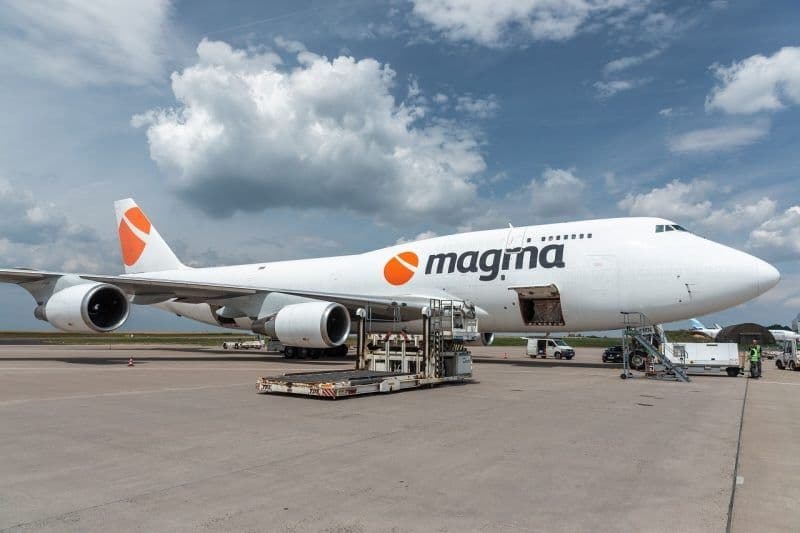
Magma Aviation is increasingly emphasizing scheduled airfreight network structures as a core strategy to build resilience in the volatile air cargo market. This approach allows the company to maintain stable performance and effectively manage disruptions through planned network adjustments, rather than relying on ad hoc charter deployments.
The airfreight sector is currently experiencing strong demand, but this demand is becoming more fragmented and less predictable. Key factors contributing to this shift include the continuous growth of e-commerce, changes in international tariffs, and evolving global trade patterns. By implementing a structured network, Magma Aviation aims to better navigate these complexities.
For freight forwarders and operations managers, this trend indicates a potential move towards more reliable and predictable air cargo capacity from carriers adopting similar strategies. While ad hoc charters offer flexibility for urgent or specialized shipments, a focus on scheduled networks could lead to greater schedule integrity and potentially more stable pricing. Forwarders might find it easier to plan and secure capacity, reducing the need for last-minute spot market bookings, though flexibility for sudden surges in demand might be slightly reduced compared to a purely charter-driven model. This also suggests that carriers are adapting to a more mature e-commerce driven market where consistent, structured capacity is valued over opportunistic chartering.