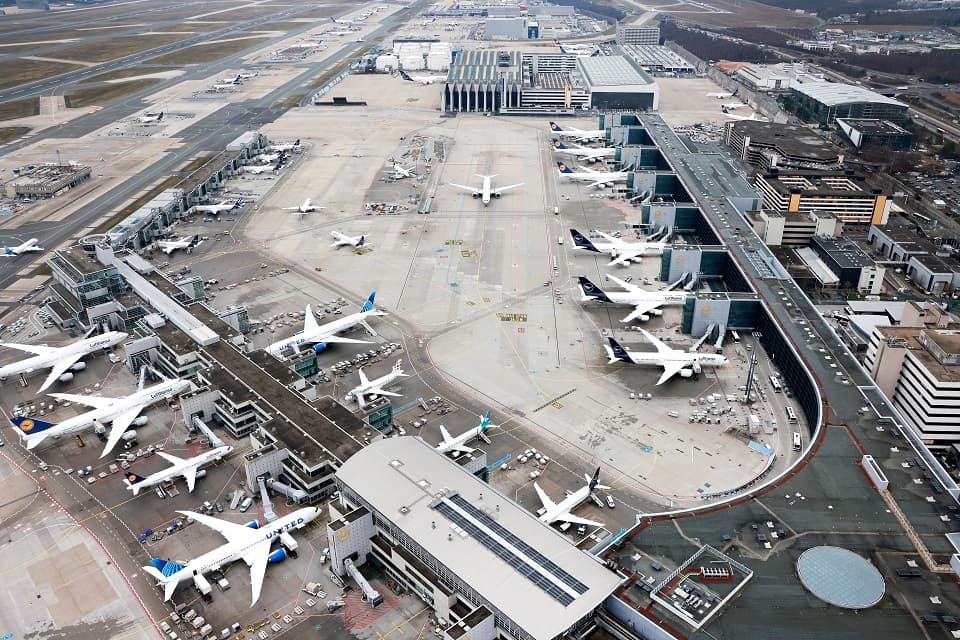
Frankfurt Airport, Europe's largest air cargo hub, reported a 1% rise in cargo throughput for the first half of the year, accumulating a total of one million tonnes. This growth was constrained by several external factors, primarily the geopolitical instability in the Middle East and a series of strikes involving Lufthansa, a major carrier operating from the airport.
The Middle East conflict has likely led to disruptions in air cargo routes, increased operational costs due to longer flight paths or higher insurance premiums, and potentially reduced demand in affected regions. Simultaneously, industrial actions by Lufthansa staff would have resulted in flight cancellations and reduced capacity, directly impacting the airport's ability to handle and process cargo.
For freight forwarders and operations managers, this situation implies potential for continued volatility in air cargo capacity and rates for routes touching or transiting through Frankfurt. Shippers might face longer lead times or require alternative routing strategies to bypass affected areas or carriers. Monitoring the geopolitical situation and labor relations at key hubs like Frankfurt will be crucial for supply chain planning.
While the article does not specify what's next, the ongoing nature of these challenges suggests that future performance will remain sensitive to developments in the Middle East and any further labor disputes.