The National Oceanic and Atmospheric Administration (NOAA) has issued a warning that the current El Ni
o phenomenon is expected to strengthen, potentially becoming one of the most intense on historical record. This forecast carries significant implications for global maritime logistics, especially concerning the Panama Canal.
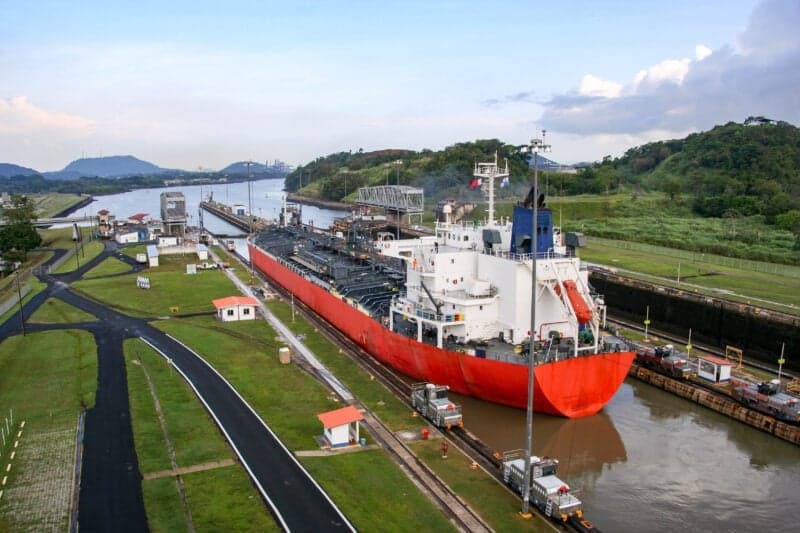
The Panama Canal has been grappling with severe drought conditions for an extended period, leading to reduced water levels in Gatun Lake. In response, canal authorities have implemented stringent draft restrictions and daily transit limits for vessels. The anticipated intensification of El Ni
o is likely to further decrease rainfall in the region, exacerbating the existing water scarcity.
For freight forwarders and shippers, this situation means continued and potentially more severe disruptions to transit through the Panama Canal. Expect longer waiting times, increased surcharges, and a greater necessity for alternative routing, such as diverting cargo via the Suez Canal or utilizing intermodal land bridges. Capacity on these alternative routes may also face pressure. Forwarders should proactively communicate with clients about potential delays and cost increases, and explore booking options that bypass the canal or secure premium slots if canal transit is unavoidable.
Should the El Ni
o event unfold as predicted, the Panama Canal Authority may be forced to impose even stricter limitations on vessel transits and drafts, further impacting global supply chain reliability and freight costs.