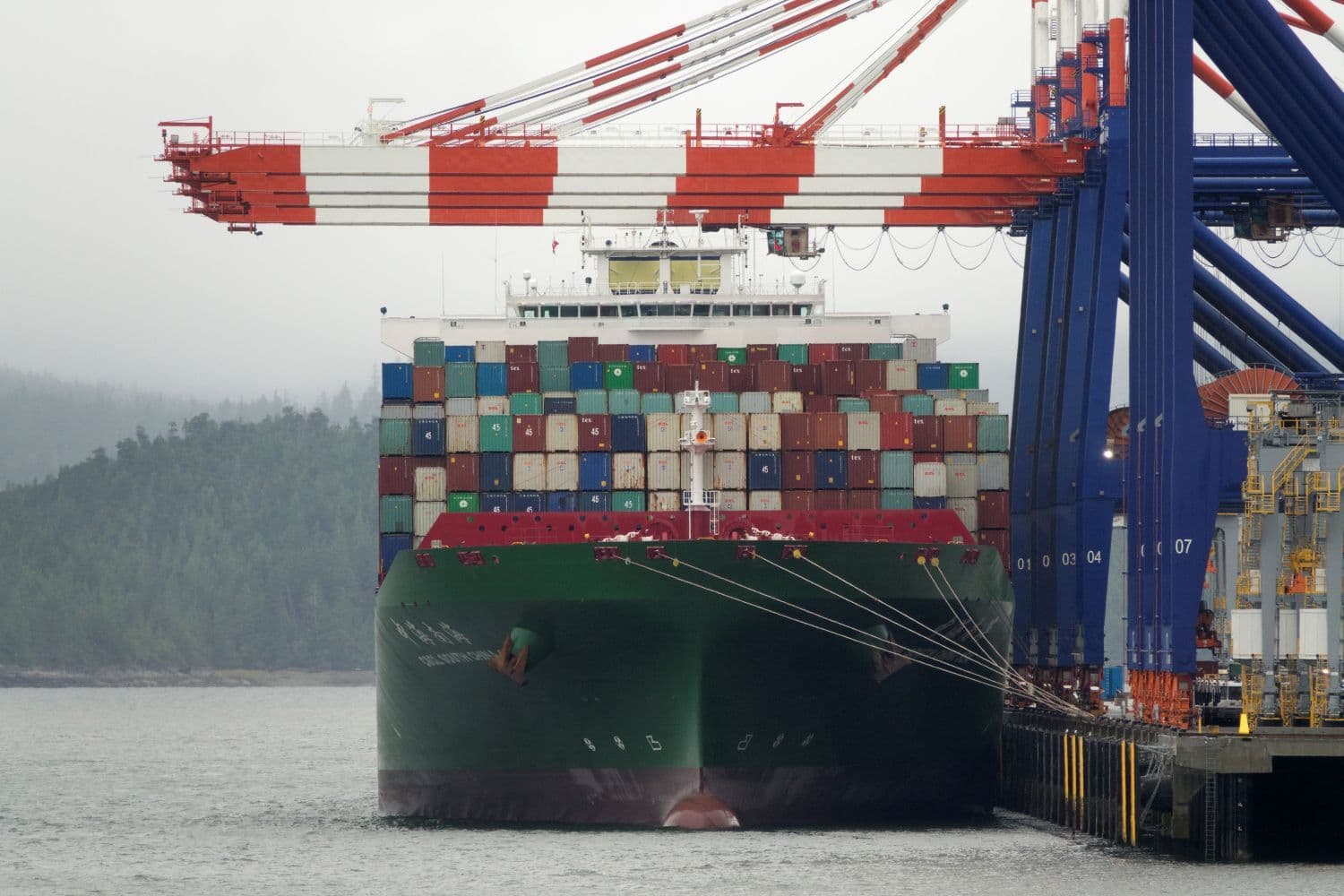
According to analyst Larry Gross, the recent rise in import volumes at the ports of Vancouver and Prince Rupert signifies a recovery phase following substantial operational challenges experienced in 2023 and 2024. This trend suggests that the ports are not establishing a new position of market superiority but are instead reverting to their customary function within the regional logistics network.
These Western Canadian ports faced considerable disruptions, including labor disputes and supply chain bottlenecks, which significantly impacted their throughput in previous years. The current uptick in activity is therefore a return to pre-disruption levels, normalizing their role in handling cargo flows.
For freight forwarders and operations managers, this means that while capacity and schedule reliability through these ports may be improving, it does not necessarily indicate a shift in long-term routing strategies or a significant competitive advantage over other gateways. Forwarders should continue to monitor operational efficiency and potential future disruptions, but the current data points to stabilization rather than a major market realignment. Rates and transit times are likely to reflect this return to normalcy rather than a surge driven by new demand or market share gains.