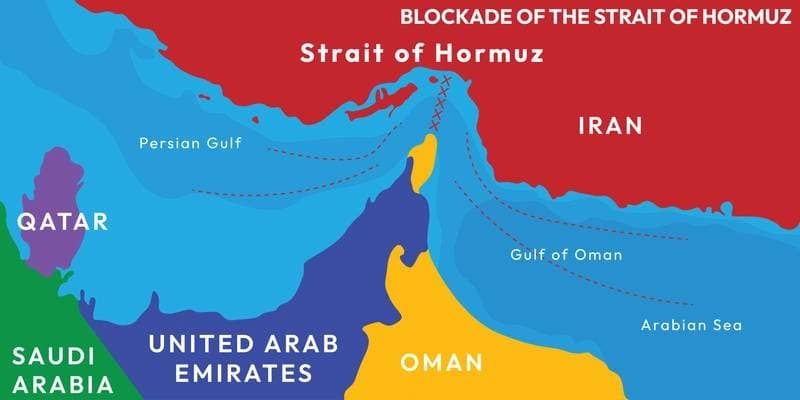
Tensions in the Persian Gulf region have recently escalated, marked by Iranian attacks targeting Kuwait's airport, resulting in damage and multiple injuries. In response, the United States military carried out its own strikes in the vicinity of the Strait of Hormuz. These incidents highlight a significant increase in regional hostilities and suggest that ongoing diplomatic initiatives to achieve a ceasefire are not yielding positive results.
For freight forwarders and shippers, this renewed escalation in the Gulf region is a critical development. The Strait of Hormuz is a vital chokepoint for global oil and gas shipments, and any military activity or heightened security risks in this area can severely impact maritime traffic. Forwarders should anticipate potential disruptions to vessel schedules, increased war risk insurance premiums, and possible re-routing of vessels, particularly those carrying sensitive or high-value cargo. Operational managers need to closely monitor advisories from maritime security organizations and adjust their planning accordingly to mitigate delays and cost increases. The safety of crew and vessels traversing this region will become an even greater concern, potentially leading to additional security measures or longer transit times if vessels opt for alternative, safer routes.