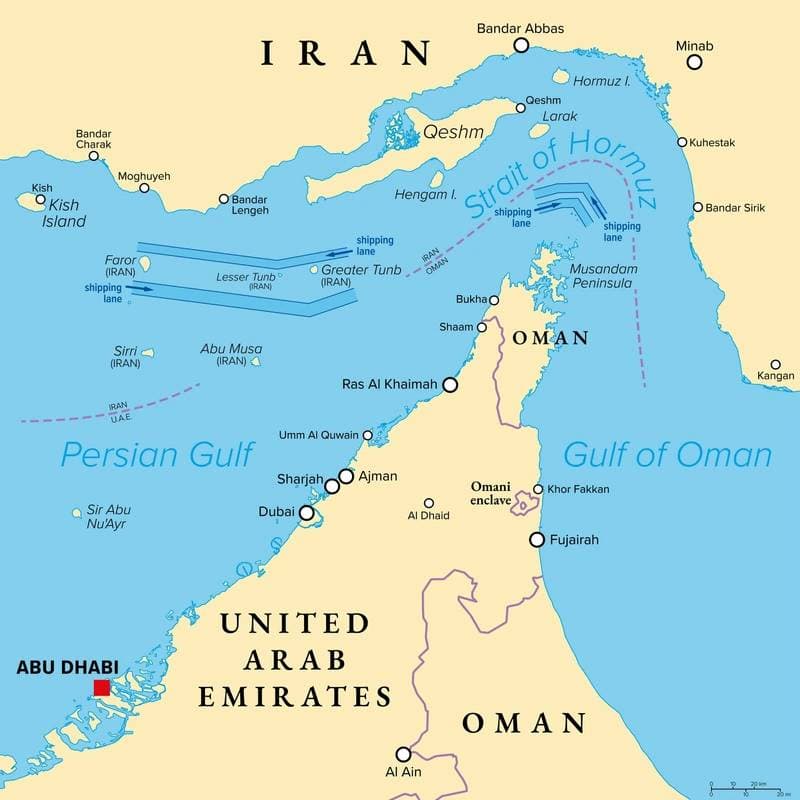
Recent disruptions causing vessel delays in the Strait of Hormuz are placing additional stress on the international shipping industry. This critical chokepoint, vital for global energy and trade flows, is experiencing issues that contribute to longer transit times and increased operational complexities.
For freight forwarders and shippers, these delays can lead to schedule unreliability and potential increases in demurrage or detention charges. Forwarders may need to adjust routing plans and provide updated estimated times of arrival (ETAs) to clients, while shippers could face higher inventory costs due to extended lead times. The situation underscores the ongoing fragility of global supply chains when confronted with regional geopolitical tensions or operational bottlenecks.
This development comes at a time when the industry is already navigating other significant challenges, including Red Sea diversions and fluctuating demand patterns. The Strait of Hormuz, a narrow waterway between the Persian Gulf and the Gulf of Oman, is a crucial passage for a substantial portion of the world's oil and gas, as well as general cargo. Any impediment here has ripple effects across global trade lanes.