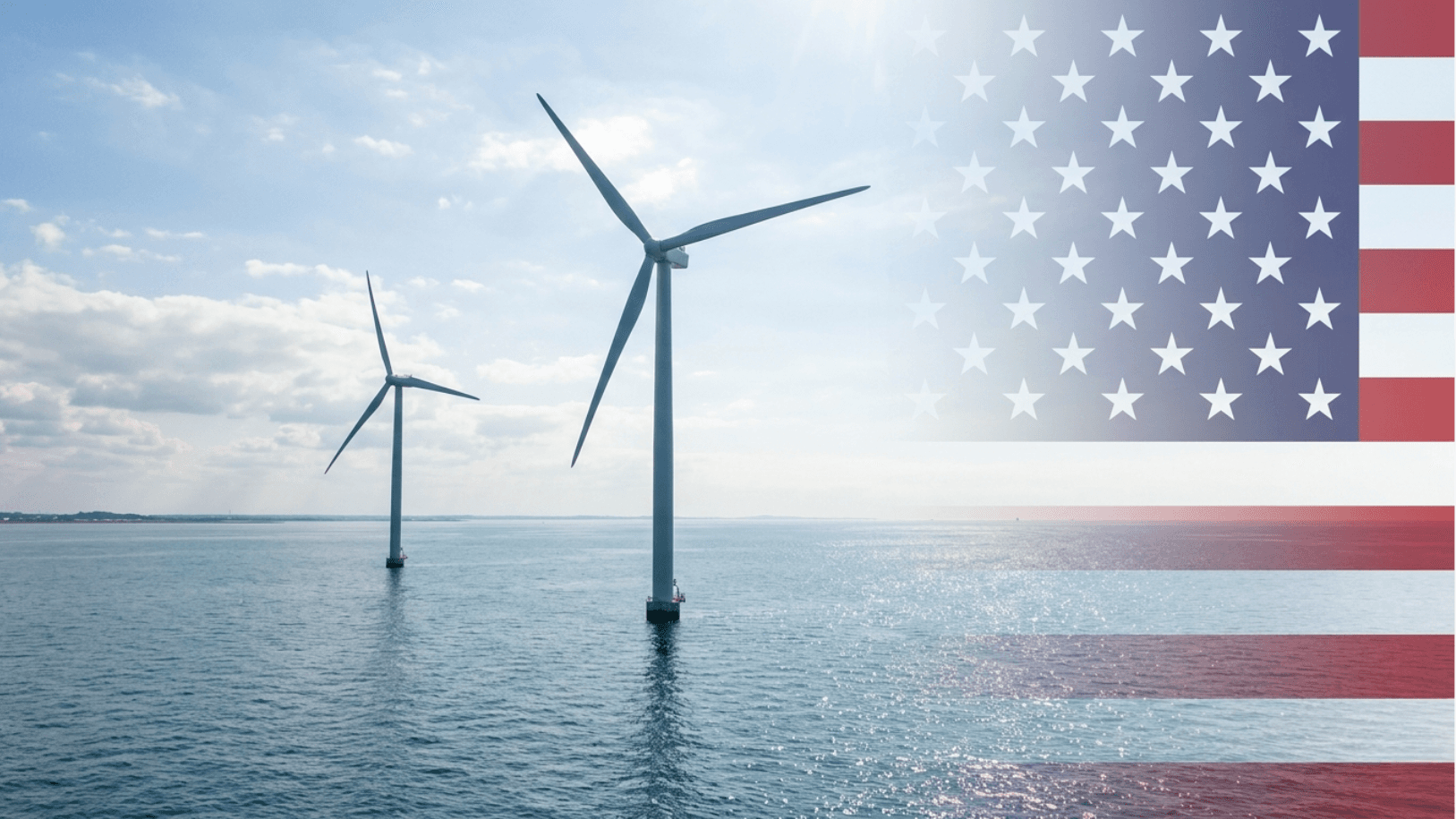
The United States offshore wind energy sector is set to regain momentum following the Trump Administration's decision to drop its appeal concerning the permitting freeze. This withdrawal effectively overturns the previous halt, reactivating the regulatory pathway for numerous offshore wind farm developments.
This development is particularly significant for freight forwarders and logistics professionals involved in project cargo and heavy-lift operations. The unfreezing of permits means that the substantial components required for offshore wind farms—such as monopiles, turbine blades, nacelles, and transition pieces—can now proceed with their logistics planning and execution. This will likely lead to increased demand for specialized vessels, port marshalling areas, and inland transport for oversized cargo, impacting capacity and scheduling at U.S. ports equipped to handle such project cargo. Forwarders should anticipate a potential surge in related tenders and project movements, requiring careful coordination and specialized expertise.
The resumption of permitting is expected to accelerate the U.S. energy transition goals by enabling these large-scale renewable energy projects to move forward, contributing to job creation and infrastructure development within the country.