Y
YLOAD News
LIVE
mediumOcean Freight· 134d

US Military Reports Minimal Attacks on Commercial Vessels in Strait of Hormuz

The US military has indicated that fewer than five successful attacks have occurred on commercial ships navigating the Strait of Hormuz, despite over 200 transits under their guidance. This suggests a relatively low incidence of direct threats materializing into actual…

YN
YLOAD News Desk
Published June 16, 2026 at 10:19 AM UTC
Source: Seatrade Maritime
Y
Built for forwarders
Quote, dispatch, track and invoice in one place with YLOAD 360.

The TMS built for international freight forwarders — same vocabulary as the news you’re reading.

Try YLOAD 360

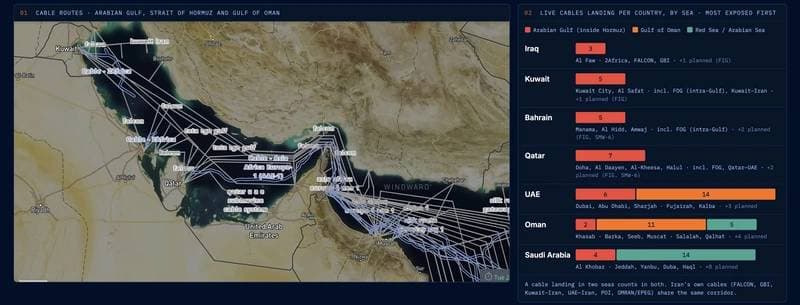
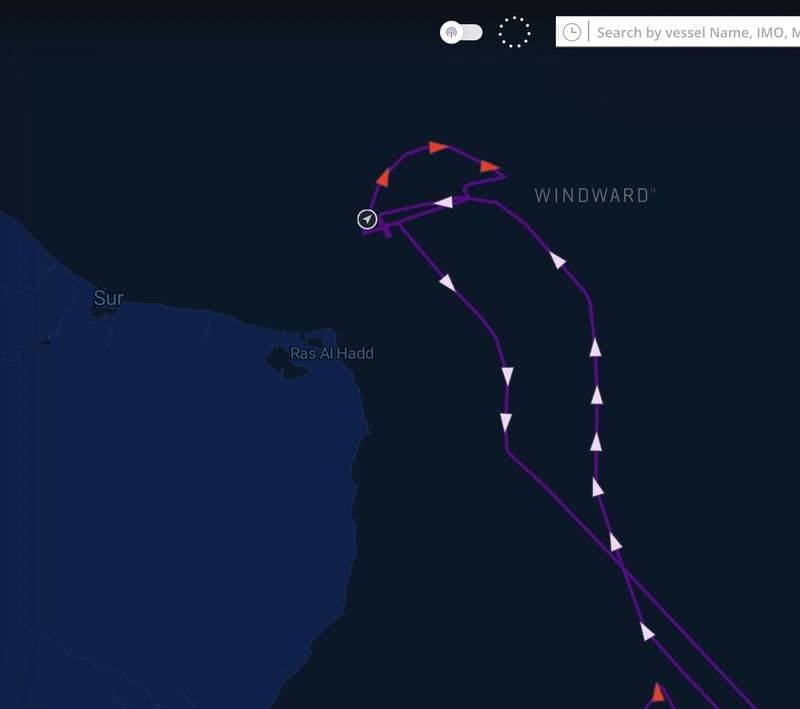
The United States military has reported that commercial vessels transiting the Strait of Hormuz under their guidance have experienced a very low rate of successful attacks. Out of more than 200 such passages, fewer than five incidents resulted in actual attacks on the ships. This data suggests that while the region remains a zone of heightened tension, direct threats to shipping have largely been mitigated or deterred.

For freight forwarders and operations managers, this information provides some reassurance regarding the security of transits through the Strait of Hormuz. While the presence of military guidance indicates ongoing risks, the low number of completed attacks suggests that current security measures are largely effective. Shippers should continue to monitor advisories and ensure their carriers are adhering to recommended security protocols, but the immediate operational impact on routing or insurance premiums might not be as severe as the general perception of regional instability might suggest.
Original source
S
Seatrade Maritime
June 16, 2026 at 10:19 AM UTC
seatrade-maritime.com
Read at Seatrade Maritime
This summary was condensed by the YLOAD News editorial system from the original reporting by Seatrade Maritime. Read the original at the link above for full context, figures and quotes. See our methodology for details.
Related coverage