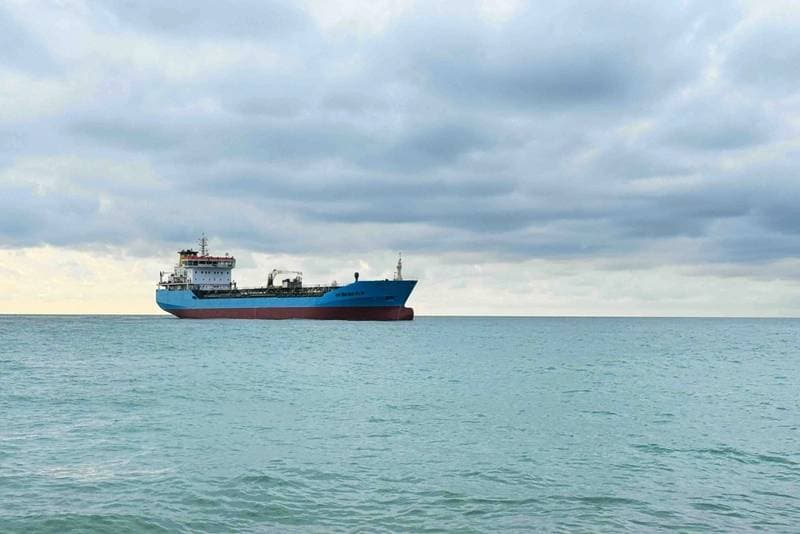
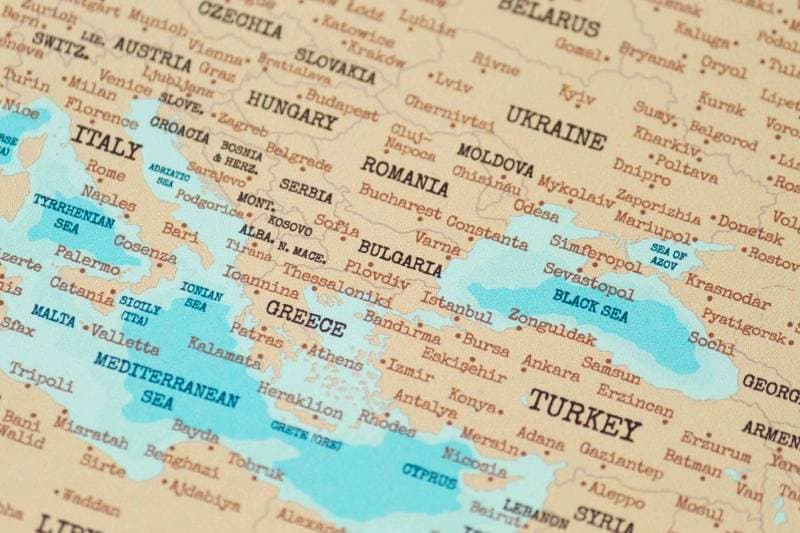
The International Maritime Organization (IMO) formally adopted a new Emission Control Area (ECA) in the North-East Atlantic Ocean during its 84th session of the Marine Environment Protection Committee (MEPC 84) on May 1, 2026. This significant regulatory change will impose stricter air emission requirements on vessels navigating a substantial portion of European waters. The new ECA is designed to link existing emission control zones within Europe with the Canadian Arctic ECA, creating a more expansive and contiguous area of enhanced environmental protection.
For freight forwarders and operations managers, this development means that vessels transiting or operating within the newly designated North-East Atlantic ECA will be subject to more stringent limits on sulfur oxides (SOx) and potentially nitrogen oxides (NOx) emissions. This will likely necessitate the use of lower-sulfur fuels (such as VLSFO or MGO) or the installation of exhaust gas cleaning systems (scrubbers) on affected ships. Forwarders should anticipate potential increases in bunker costs for routes traversing this region, which could translate into higher freight rates. Capacity might also be indirectly affected as carriers adjust their fleet deployment or invest in compliance technologies. Shippers should prepare for these potential cost adjustments and factor them into their supply chain planning for European routes.