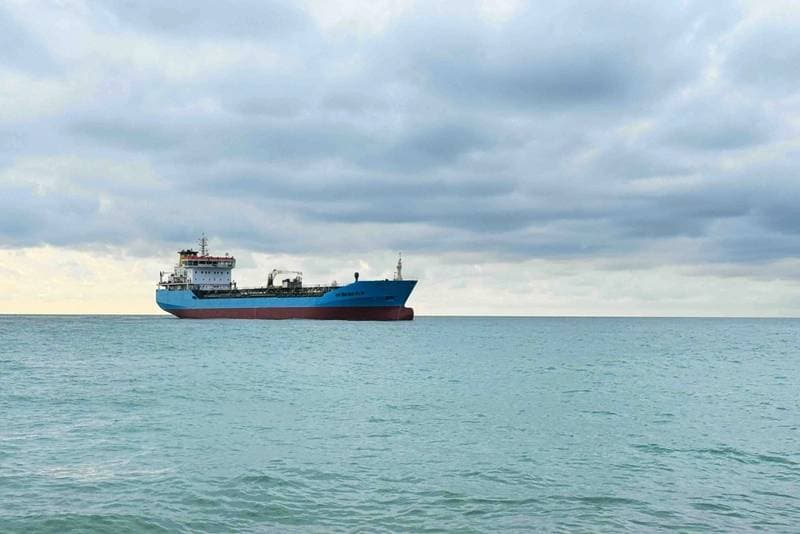
SEA-LNG leveraged Rystad Energy's comprehensive data, which tracks emissions for every LNG cargo globally on a vessel-by-vessel basis, from its origin in production to its final delivery. This data formed the foundation of a landmark white paper, whose conclusions were presented to the International Maritime Organization (IMO). The report has garnered support from maritime nations Norway and South Korea, indicating its potential influence on future regulatory frameworks concerning LNG emissions.
This development is significant for freight forwarders and logistics professionals involved in LNG shipping. Stricter emissions policies, potentially influenced by this data, could lead to increased operational costs for non-compliant vessels or routes, and may accelerate the adoption of more fuel-efficient or alternative-fueled LNG carriers. Forwarders should monitor IMO decisions closely, as these could impact vessel availability, routing options, and the overall cost structure of LNG transport, potentially requiring adjustments to supply chain strategies to meet new environmental standards.