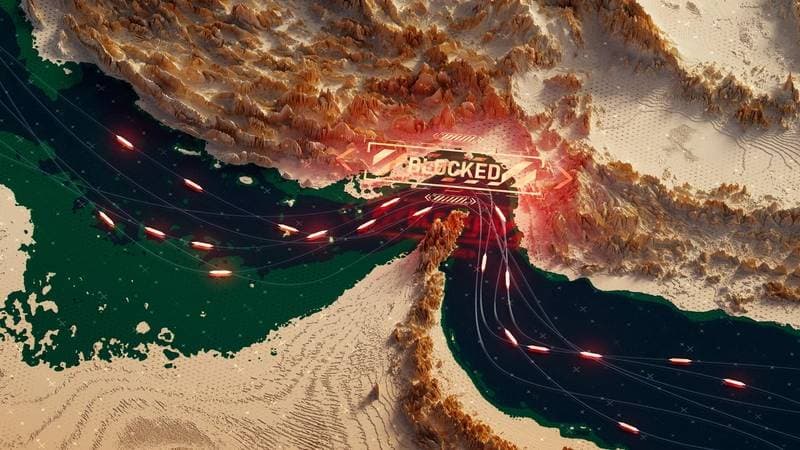
Oil prices saw a continued decrease on Tuesday, following a significant drop to a three-month low in the preceding session. This market movement is primarily driven by investor anticipation for further specifics concerning an interim peace agreement between the United States and Iran. The expected outcome of this agreement is the reopening of the Strait of Hormuz, a critical chokepoint for global oil shipments.
For freight forwarders and operations managers, a potential increase in oil supply due to the reopening of the Strait of Hormuz could lead to lower bunker fuel prices. This would directly impact shipping costs, potentially reducing operational expenses for carriers and subsequently influencing freight rates. While the immediate effect might be a slight reduction in overall logistics costs, the long-term stability of oil prices will depend on the full details and implementation of the US-Iran deal, as well as broader geopolitical factors.
Should the deal proceed, it could alleviate some supply chain pressures related to oil transit through the Strait, offering more predictable routing and potentially reducing war risk premiums for vessels operating in the region. However, any new agreement in this volatile area will require careful monitoring for its sustained impact on global energy markets and maritime logistics.