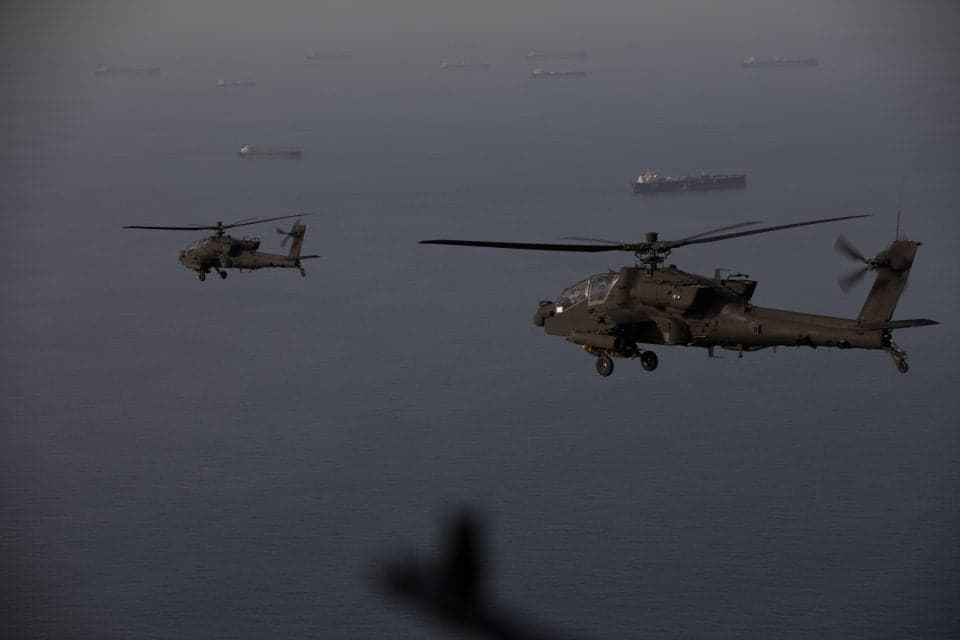
The United States military has been orchestrating a series of covert ship-to-ship (STS) oil transfers within the Gulf region. This operation involves the use of aerial and water drones, alongside helicopters, to guide oil convoys to pre-positioned tankers for transfer. The primary objective of these secretive maneuvers is to ensure the continuous flow of energy exports from the Gulf.
This tactic, which bears resemblance to methods previously employed by Iran to circumvent sanctions, highlights the complex geopolitical landscape and the strategic importance of maintaining oil supply lines. The US military's involvement underscores a direct effort to stabilize energy markets or support specific regional interests.
For freight forwarders and supply chain analysts, this development indicates potential underlying tensions or vulnerabilities in traditional shipping routes that necessitate such extraordinary measures. While not directly impacting commercial container or dry bulk rates, it signals a heightened operational risk in the Gulf for oil tankers and could indirectly influence insurance premiums or routing decisions for vessels transiting the area. The use of military assets for commercial-adjacent activities also points to the critical nature of these energy flows.
The article does not specify what might happen next, but the continuation of such operations suggests an ongoing commitment to these methods as long as the underlying conditions persist.