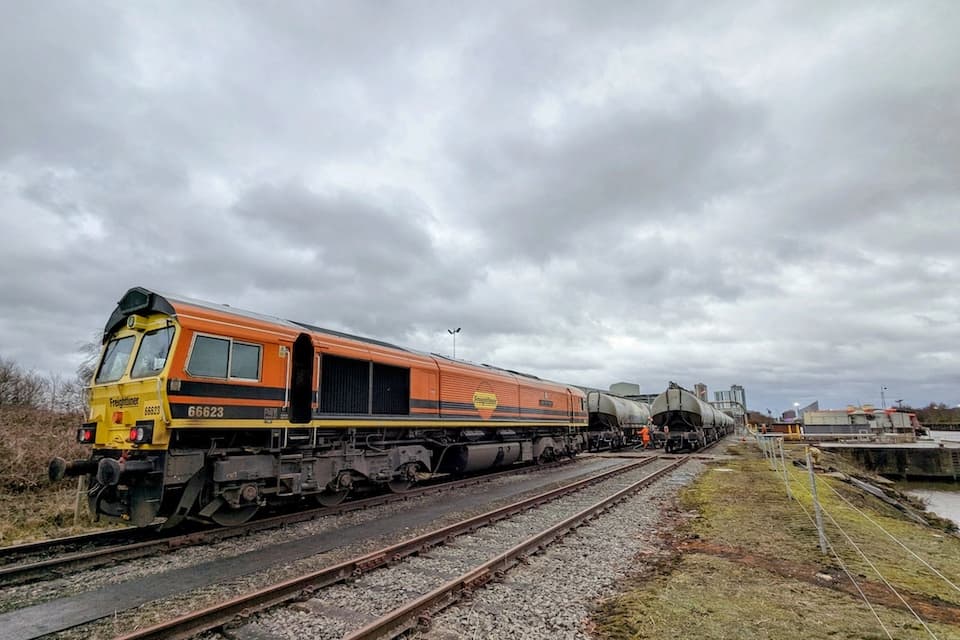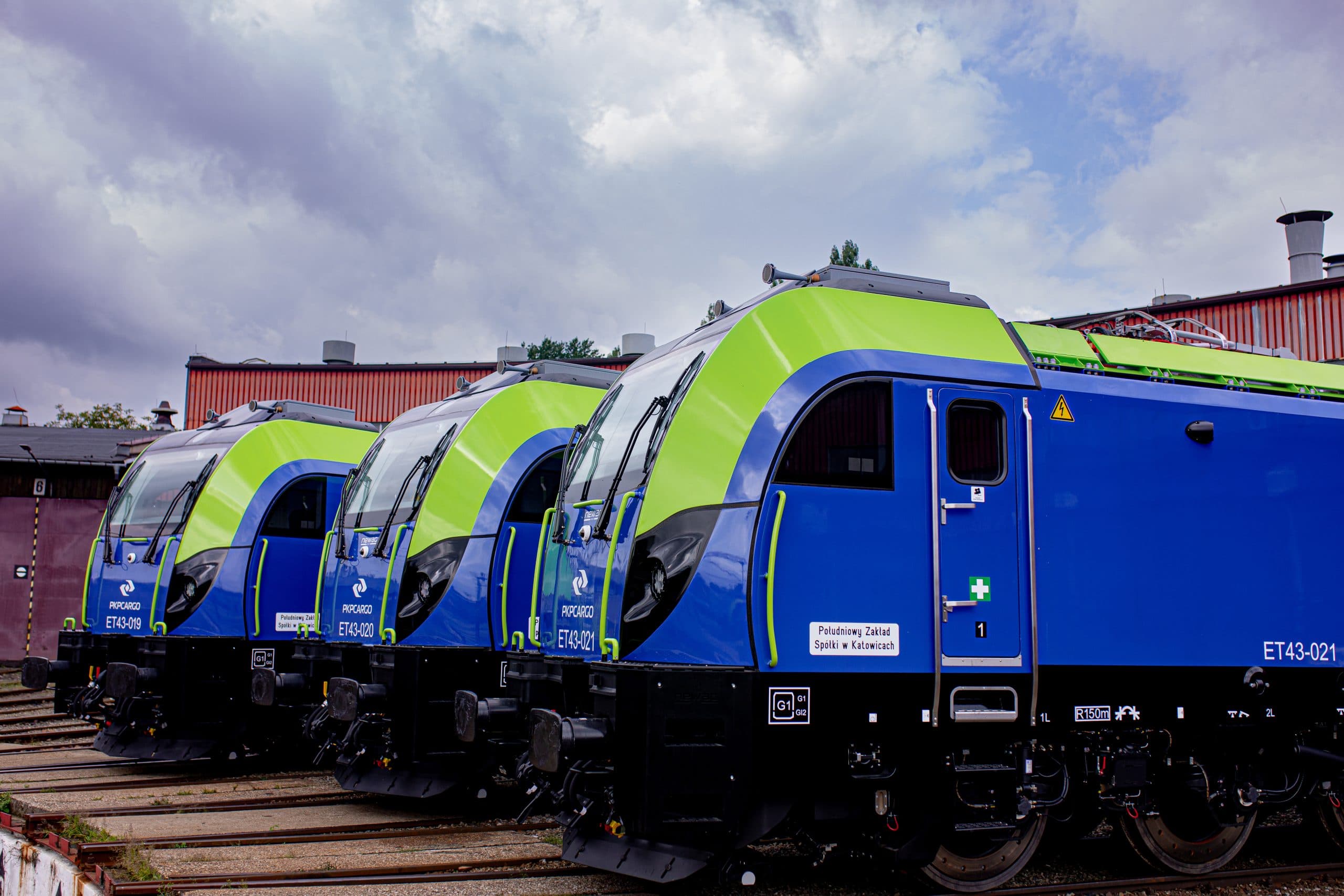
The European rail freight industry is currently grappling with a substantial challenge related to its rolling stock, specifically its locomotive fleet. A significant portion of these locomotives is considerably old, with many units approaching or exceeding their operational lifespan. This situation creates a pressing need for extensive modernization and replacement efforts.
The age of the fleet hinders the adoption of new technological advancements, which are essential for improving efficiency, reducing emissions, and enhancing overall network capacity. For freight forwarders and logistics managers, an outdated rail infrastructure can translate into potential delays, reduced reliability, and higher operational costs. The inability to fully leverage modern rail technology may also limit the competitiveness of rail freight compared to other transport modes, particularly for time-sensitive cargo. Investment in new, technologically advanced locomotives is crucial to ensure the long-term viability and growth of rail freight services across Europe.
Addressing this issue will require substantial investment in new rolling stock and infrastructure upgrades. The integration of modern locomotives could lead to improved schedule reliability, increased haulage capacity, and better fuel efficiency, ultimately benefiting shippers and forwarders through more predictable and cost-effective rail services.