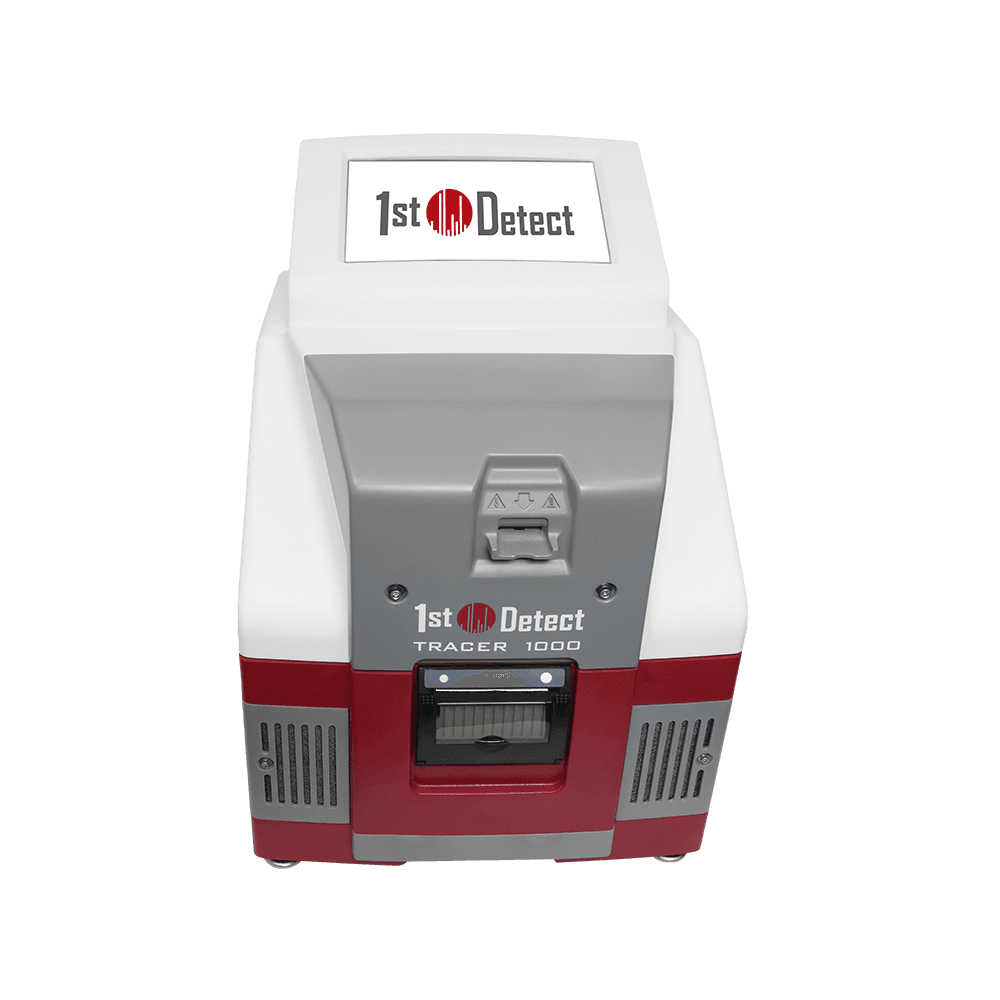
Mass spectrometry-based trace detection is significantly improving air cargo security screening, introducing a level of analytical precision that previous technologies struggled to achieve. Traditional ion mobility spectrometry (IMS) systems, while widely used, often suffered from cross-sensitivity and environmental interference, leading to a high rate of false alarms. In contrast, mass spectrometry operates at a molecular level, providing more accurate detection.
For freight forwarders and operations managers, this technology means more efficient and reliable cargo screening. Reduced false alarm rates can lead to fewer delays in cargo processing, improving supply chain predictability and potentially lowering operational costs associated with rescreening or manual inspections. Enhanced security also mitigates risks of contraband or dangerous goods entering the air cargo network, strengthening compliance and safety standards.
This development is expected to streamline security checks, making the air cargo supply chain more robust and less prone to disruptions caused by screening inefficiencies. It could also contribute to faster transit times for shipments, particularly for sensitive or time-critical goods.