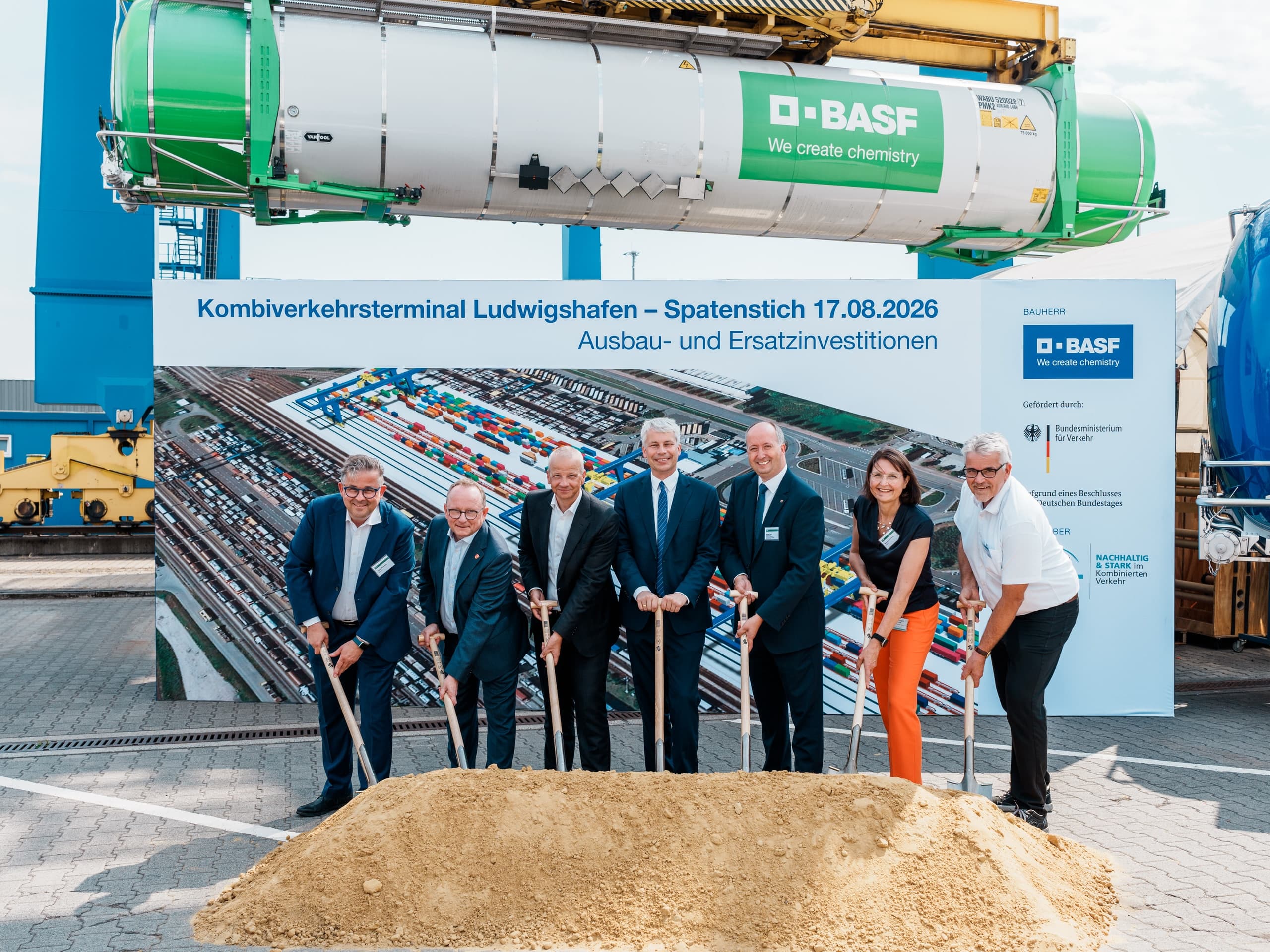
German chemicals giant BASF has commenced a significant upgrade project exceeding €100 million at its Ludwigshafen facility. This site hosts one of Germany's largest combined transport terminals, crucial for the company's logistics operations. The expansion is designed to enhance the terminal's capacity and operational resilience.
The investment comes at a time when the Rhine River, a vital waterway for German industry, is experiencing increasingly frequent and severe low water levels. These conditions significantly disrupt inland shipping, forcing companies like BASF to seek alternative transport solutions and strengthen their multimodal capabilities.
For freight forwarders and operations managers, this development signifies a strategic shift by a major shipper towards diversifying its transport modes and reducing reliance on potentially unreliable waterways. The enhanced rail and road infrastructure at Ludwigshafen could offer more stable and predictable transit options for cargo moving to and from the region, potentially mitigating some of the supply chain risks associated with climate-induced disruptions on the Rhine. It may also lead to increased demand for intermodal rail services in Germany.