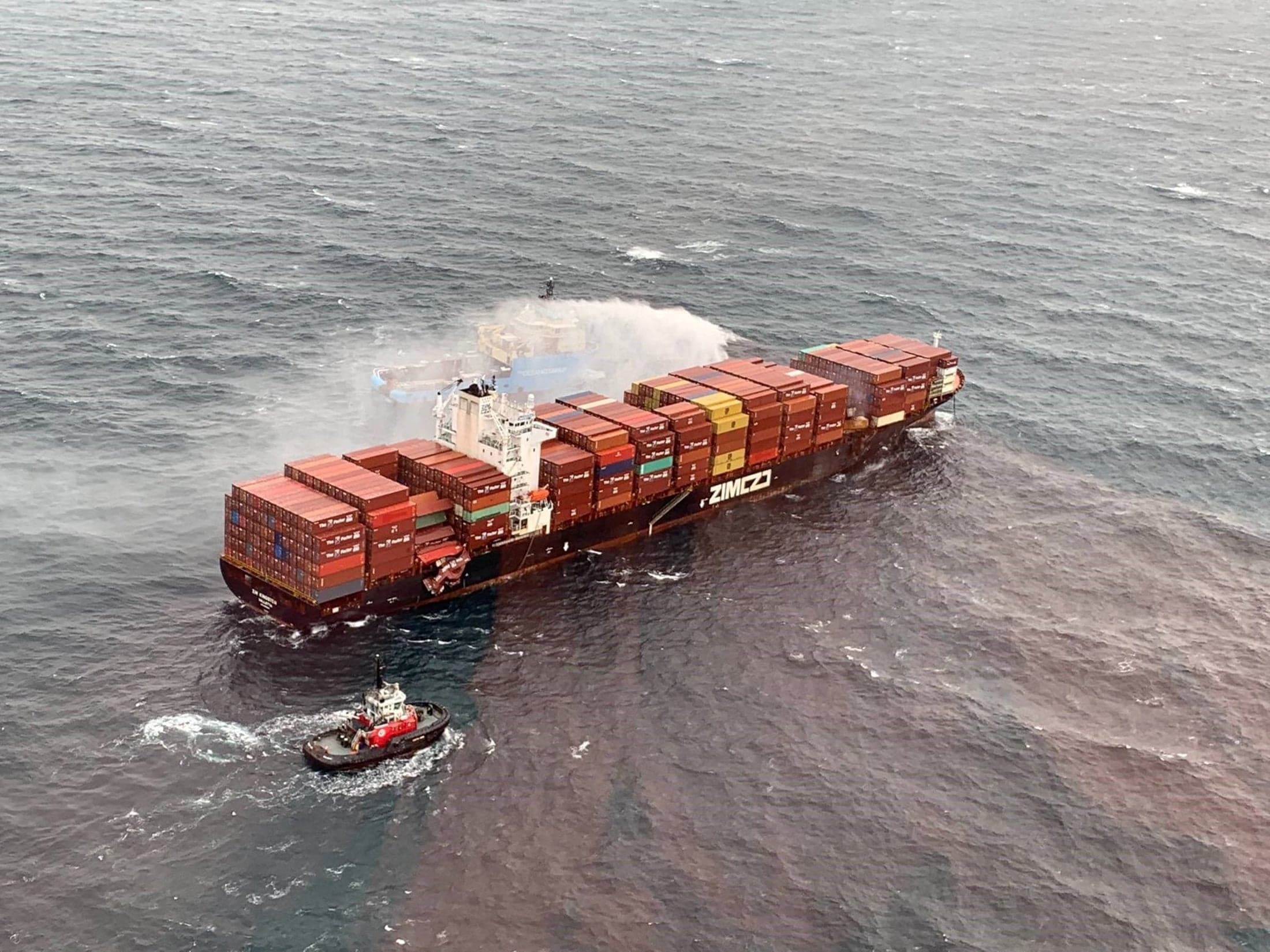
A new report highlights that container ship fires are now occurring on average every 17 days worldwide. This concerning statistic underscores the ongoing and severe threat posed by cargo that is either misdeclared or completely undeclared, particularly when it involves hazardous materials.
Misdeclaration of cargo, where the contents are incorrectly identified or concealed, creates substantial safety hazards. When dangerous goods are not properly declared, stowage plans cannot account for their specific risks, such as flammability or reactivity. This can lead to improper handling, storage near incompatible materials, and a lack of appropriate emergency response procedures, significantly increasing the likelihood of onboard fires.
For freight forwarders and operations managers, this trend means heightened risk and potential liability. It emphasizes the critical importance of robust cargo screening processes, accurate documentation, and strict adherence to IMDG Code regulations. Forwarders must ensure their clients provide precise cargo descriptions and that all hazardous materials are correctly identified and declared. Failure to do so can result in severe consequences, including vessel diversions, cargo damage, loss of life, and substantial financial penalties, impacting schedule reliability and insurance premiums. Shippers should be aware that carriers are increasingly scrutinizing cargo declarations and implementing stricter penalties for non-compliance.
While the source does not explicitly state what actions are next, the ongoing nature of this problem suggests that regulatory bodies, carriers, and industry stakeholders will likely continue to push for enhanced enforcement, improved cargo screening technologies, and greater accountability throughout the supply chain to mitigate these risks.