6d ago·Hellenic Shipping News
Marine Engine Performance Under Scrutiny Amid Rising Carbon Costs and Longer Voyages
Marine engine performance is under scrutiny as rising carbon costs and longer voyages pressure ship managers to optimize efficiency
Articles tagged with the IMO Decarbonization topic across every transport mode.
Marine engine performance is under scrutiny as rising carbon costs and longer voyages pressure ship managers to optimize efficiency
Brazil's IMO proposal details new compliance, surplus trading, and support mechanisms for the Net-Zero Framework.
Navios Maritime Partners has received the Nave Harmony, a new methanol-ready MR2 product tanker with advanced eco-friendly technology
A research consortium will present findings on multi-fuel solid oxide fuel cell technology for long-distance shipping.
HHI-EMD completed the Type Approval Test for its new H35CDF LNG dual-fuel engine, advancing marine propulsion technology
Regional Container Lines (RCL) named three new 4,488 TEU container ships, ready for multi-fuel use and shore power.
India has commenced construction of its first port-based e-methanol plant in Kandla, Gujarat, targeting competitive green methanol…
Eastern Mediterranean shipping firms are raising climate ambitions faster than they can implement them, a new survey indicates
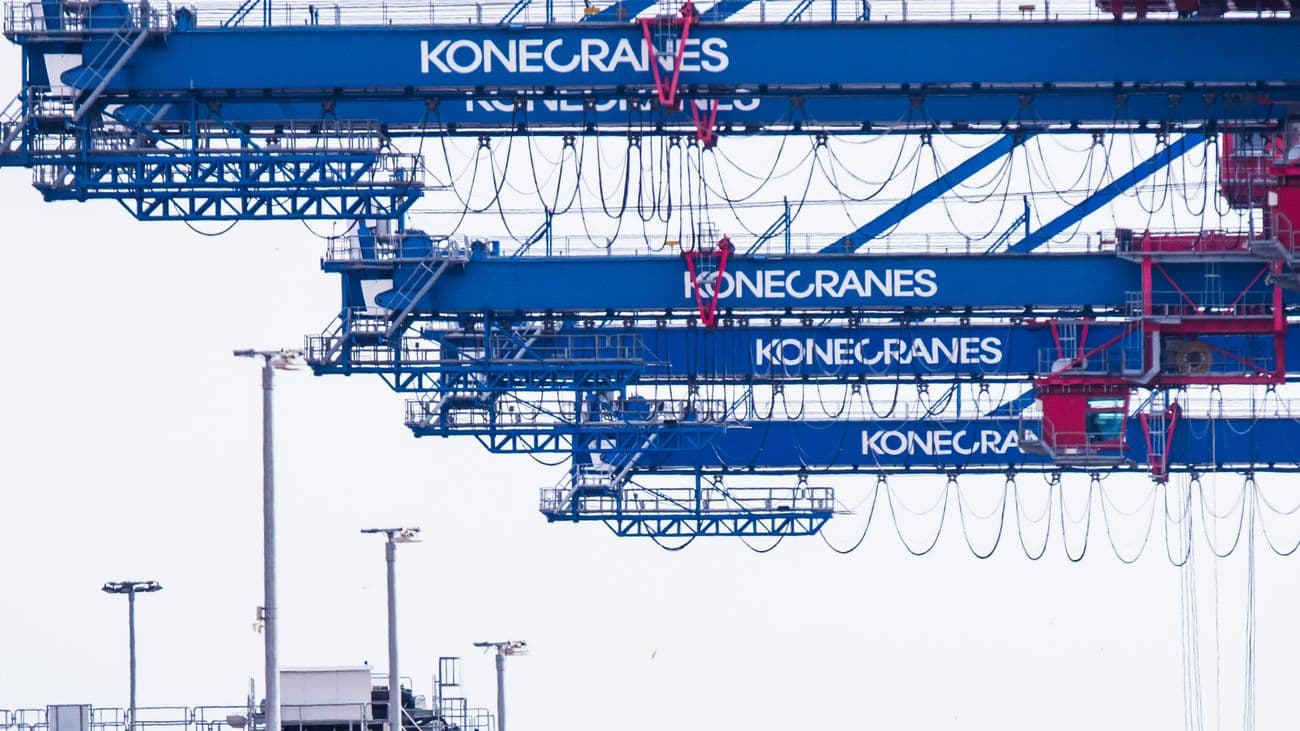
Konecranes has upgraded its financial targets, launched a share buy-back, and set new climate goals for emissions reduction.

Air cargo operators could face CORSIA compliance costs sooner than passenger airlines due to exceeding 2019 emissions baselines
Ethanol is gaining traction as a viable marine fuel to reduce greenhouse gas emissions, moving from niche discussions to global…
An IMO forum in Singapore emphasized the need for better spill response preparedness as shipping adopts alternative fuels.
The HyShip project is utilizing SeaShuttle container vessels to demonstrate zero-emission short-sea shipping between Oslo and Rotterdam.
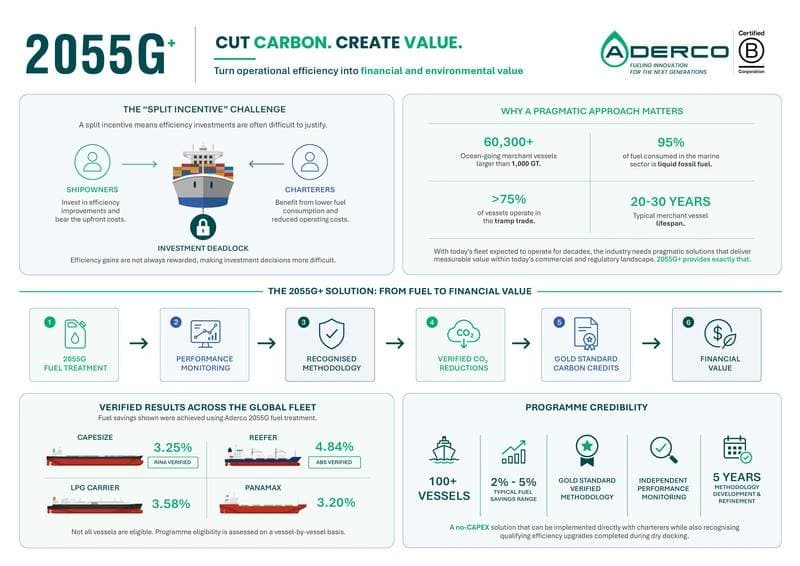
Aderco's 2055G+ program allows shipping companies to convert fuel efficiency data into verified CO2 reductions.
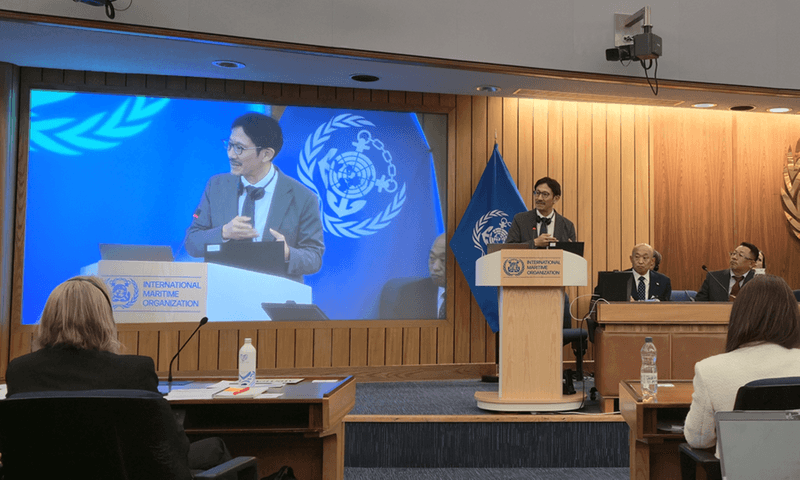
NYK Group shared its initiatives for deploying ammonia-fueled vessels at the IMO's CCC 12 session, focusing on decarbonization.
European energy companies advocate for retaining binding RFNBO targets in RED III to ensure market stability and policy confidence
IMO's CCC 12 session finalized updated guidelines for using methanol and ethanol as marine fuels, enhancing safety standards
Donald Trump signals his administration would oppose the IMO's global carbon tax, citing potential increases in shipping costs
A new global alliance for green shipping corridors has launched in Beijing, uniting 45 companies from 12 nations.
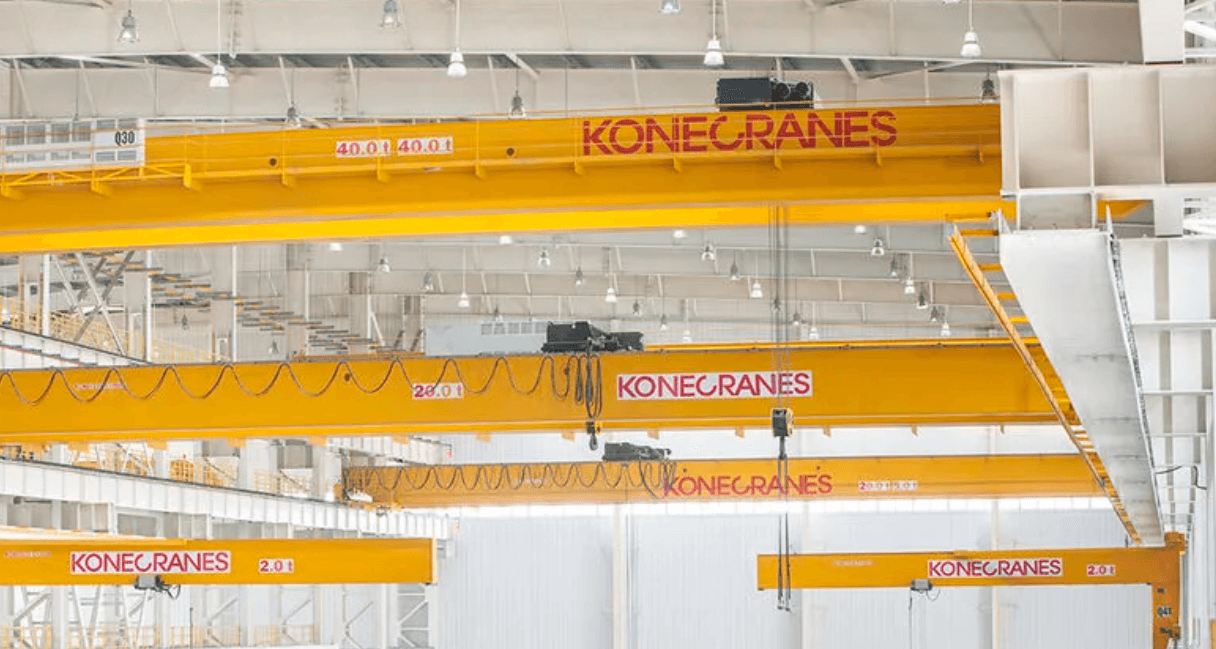
Konecranes targets a 90% emissions reduction by 2050, focusing on electrification and cleaner materials in cargo handling
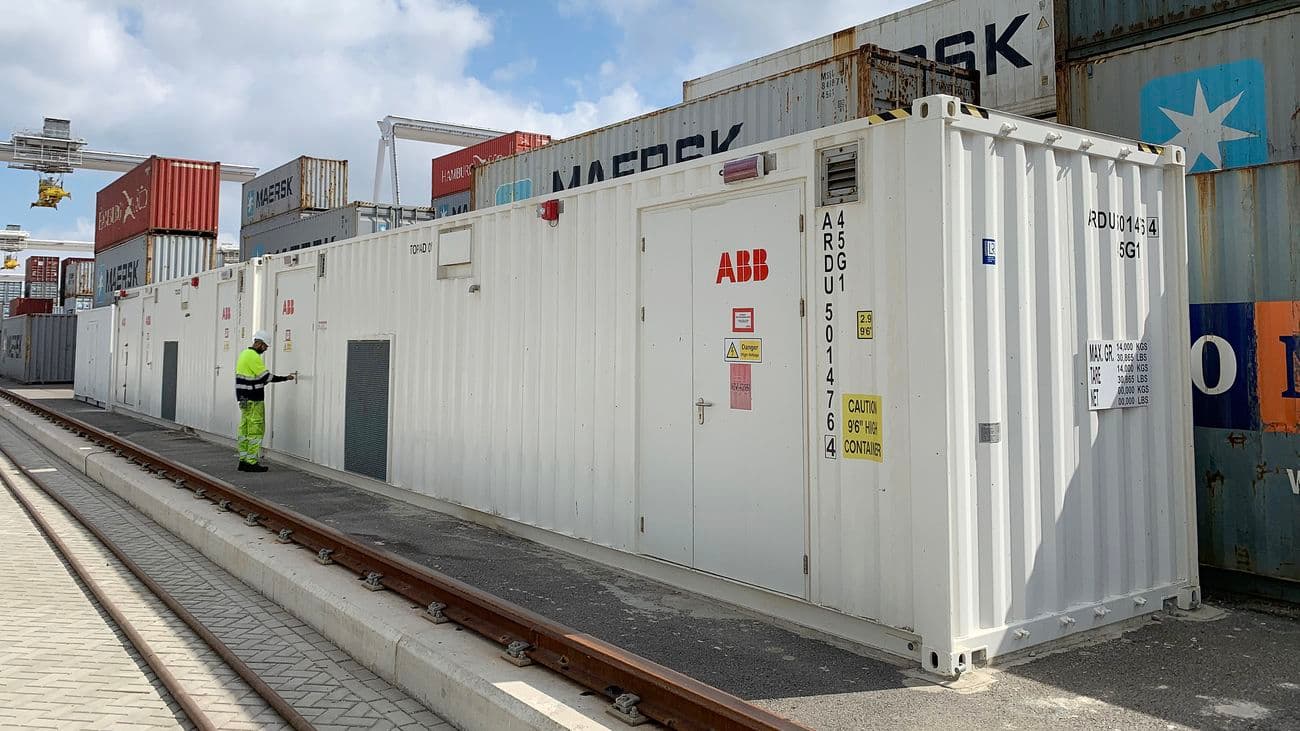
ABB's Sami Lehikoinen argues that current high power prices and grid limitations highlight the urgency for shore power investments.
Maritime experts discussed seafarer training needs for new fuels and technologies in Lisbon, focusing on competence for decarbonization
Over 30 countries have joined the new OceanEye International Alliance to strengthen global ocean observation and support the Global Ocean…
The Liberian Registry highlighted six key collaborations at Gastech 2026, advancing sustainable shipping solutions
Jennifer Jordan-Saifi discussed the challenges of decarbonizing shipping, including skepticism and political inertia.
Google, Microsoft, and DSV have joined ZEMBA to collectively drive the adoption of zero-emission maritime shipping.
The UK Emissions Trading Scheme (ETS) has expanded to include domestic maritime activities, affecting charterers and shipping contracts
A new non-governmental body, the International Green Shipping Corridor Alliance, has launched in Beijing to advance shipping…
Maersk and MOL stressed the importance of multi-fuel and diverse solutions for decarbonization at a Global Maritime Forum event.

Donald Trump criticized the IMO's Net-Zero Framework at the UN, potentially impacting future US shipping decarbonization policy
Browse by mode or open the Intelligence Suite for cross-cutting briefs.