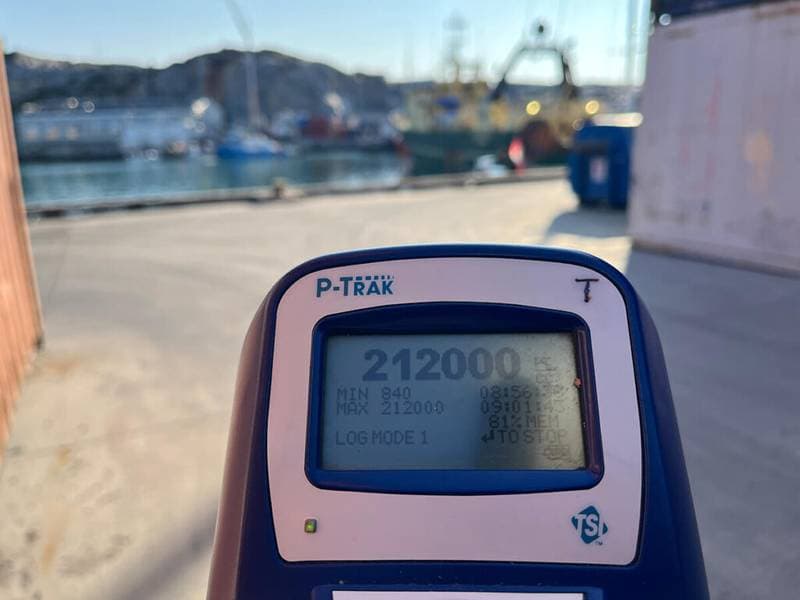
Air quality screenings conducted at the port of Ilulissat in Greenland have indicated alarmingly high levels of air pollution. The measurements show average particulate matter concentrations that are approximately 60 to 70 times greater than the World Health Organization's (WHO) recommended safe limits of 1,000 particles per cubic centimeter. These elevated pollution levels are primarily attributed to emissions from vessels operating within the port area.
In response to these findings, there is a growing demand for the implementation of shore power facilities at Ilulissat. Shore power, also known as cold ironing, allows ships to plug into the local electricity grid while docked, thereby shutting down their auxiliary engines and significantly reducing emissions of pollutants like particulate matter, nitrogen oxides, and sulfur oxides. This transition would not only improve local air quality but also contribute to broader environmental sustainability goals.
For freight forwarders and logistics professionals, the push for shore power in Greenland could have several implications. While Ilulissat is not a major global container hub, it serves as a critical port for local trade, tourism, and fishing. The introduction of shore power infrastructure might lead to new operational requirements for vessels calling at the port, potentially affecting turnaround times or requiring specific vessel modifications. It could also influence port charges, as the investment in and operation of shore power facilities may be passed on to port users. Forwarders should monitor such developments for potential impacts on vessel scheduling and operational costs in the region.