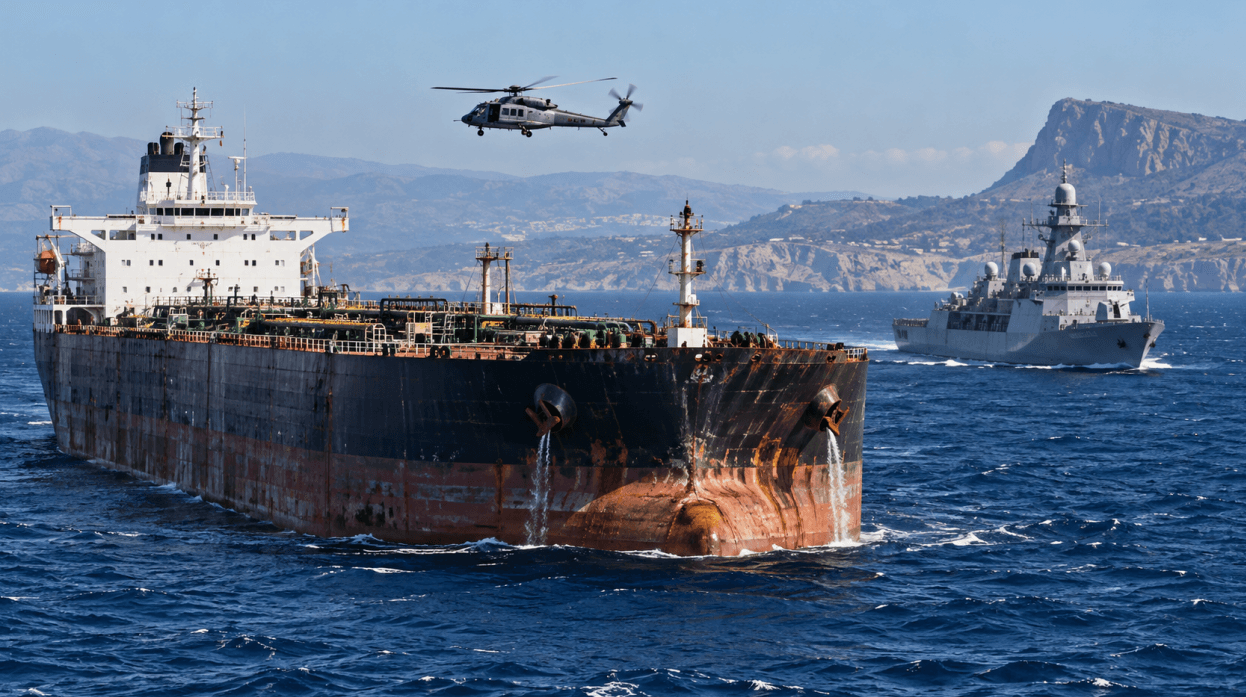
The Trump Administration is reportedly exploring options to ease sanctions currently imposed on the 'shadow fleet' of oil tankers. This consideration is primarily driven by a desire to mitigate the escalating and record-high freight rates observed in the tanker market.
However, industry analysts, such as those from Energy Aspects, have expressed skepticism regarding the potential for significant relief. They highlight that persistent challenges, including restricted vessel availability and ongoing insurance limitations, coupled with existing European Union sanctions, could substantially hinder any meaningful positive impact on global oil shipping and international trade.
For freight forwarders and supply chain analysts involved in oil and energy logistics, any potential easing of sanctions could theoretically introduce more vessel capacity into the market, potentially leading to a stabilization or reduction in tanker rates. However, the caveats raised by Energy Aspects suggest that the practical benefits might be marginal. Forwarders should monitor the specifics of any policy changes, particularly regarding insurance and operational restrictions, as these will dictate the true availability and usability of these vessels. The continued complexity of navigating sanctions regimes means that even with some relief, the operational landscape for oil shipments may remain challenging, requiring careful planning and risk assessment.