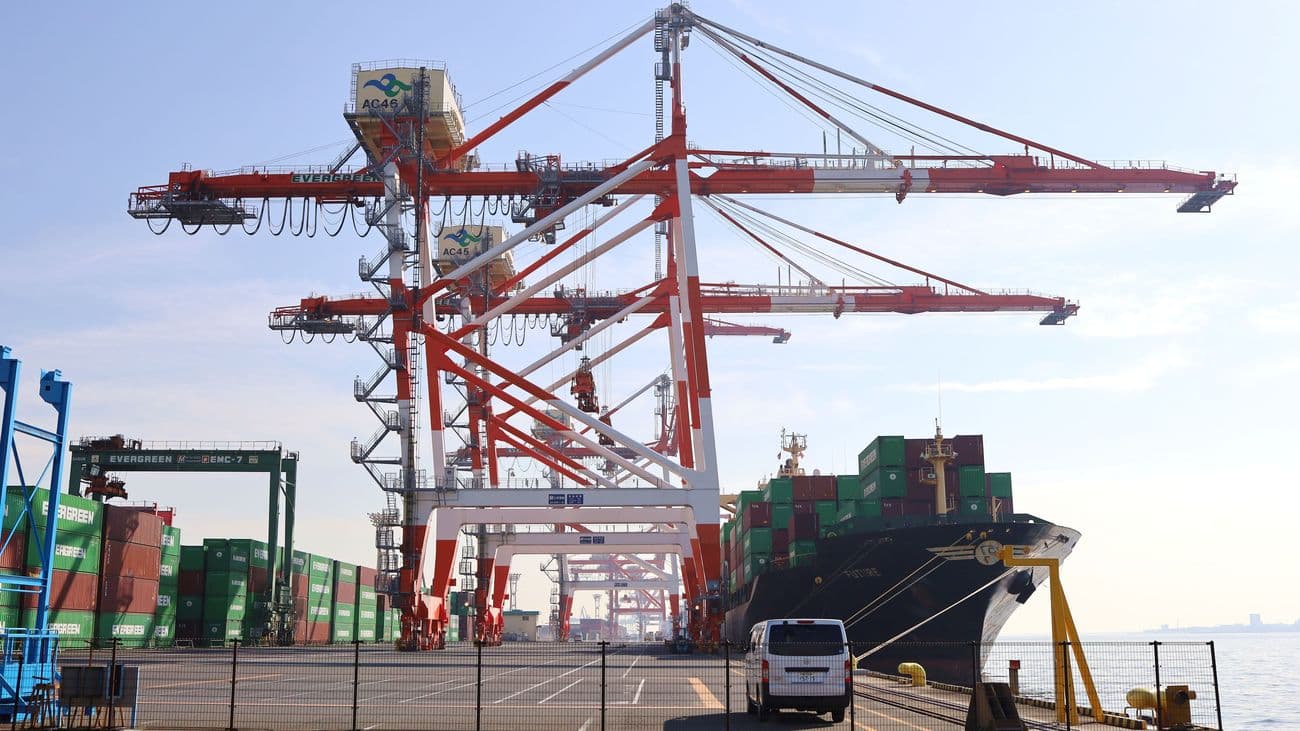
The Japanese Ministry of Land, Infrastructure, Transport and Tourism (MLIT) is extending its 'AI terminal that supports people' program to integrate gate automation. This development signifies Japan's ongoing commitment to leveraging artificial intelligence and advanced technology to improve the operational efficiency of its port infrastructure. The initial concept focused on various aspects of terminal operations, and the inclusion of gate automation will further streamline the movement of cargo and vehicles within port facilities.
For freight forwarders and operations managers, this initiative suggests potential improvements in port turnaround times and reduced manual processing at gates. Automated gates can lead to faster truck processing, minimizing delays for cargo pick-up and drop-off, and enhancing overall supply chain predictability. While the immediate impact on rates is unlikely, increased efficiency could contribute to more stable and potentially lower operational costs for carriers and, indirectly, for shippers over the long term. Forwarders should monitor the implementation timeline and specific ports involved to anticipate changes in their operational planning.