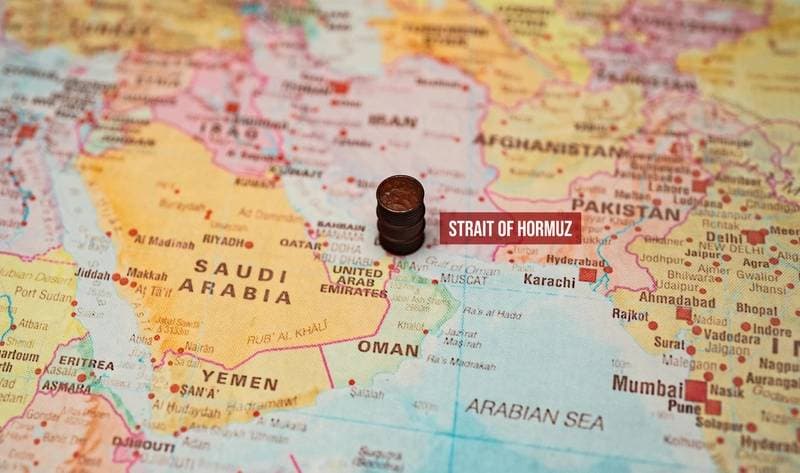
Following the postponement of the Bahrain Formula 1 race, logistics provider DHL faced the immediate challenge of transporting all race equipment to Malaysia for a replacement event. The primary concern was navigating the Strait of Hormuz, a critical maritime chokepoint known for geopolitical tensions. To mitigate risks, DHL opted for a multi-modal strategy, utilizing both air and sea freight.
The operation involved moving a significant volume of specialized cargo, including race cars, spare parts, and team equipment, under tight deadlines. The decision to bypass the Strait of Hormuz underscores the increasing impact of geopolitical factors on global supply chains and the need for alternative routing strategies.
For freight forwarders and operations managers, this case exemplifies the importance of contingency planning and adaptability in logistics. Geopolitical flashpoints can rapidly alter optimal shipping routes, leading to increased costs and transit times. Forwarders must be prepared to assess risks, identify alternative transport modes, and secure capacity on short notice. This scenario highlights how events like the Strait of Hormuz tensions can necessitate creative solutions to maintain supply chain integrity, potentially impacting lead times and freight rates for other shipments in affected regions.
While the article does not specify future plans, the successful execution of this complex move by DHL demonstrates a robust capability to handle high-value, time-sensitive cargo under challenging circumstances. This approach could serve as a model for future logistics operations in regions prone to geopolitical instability.