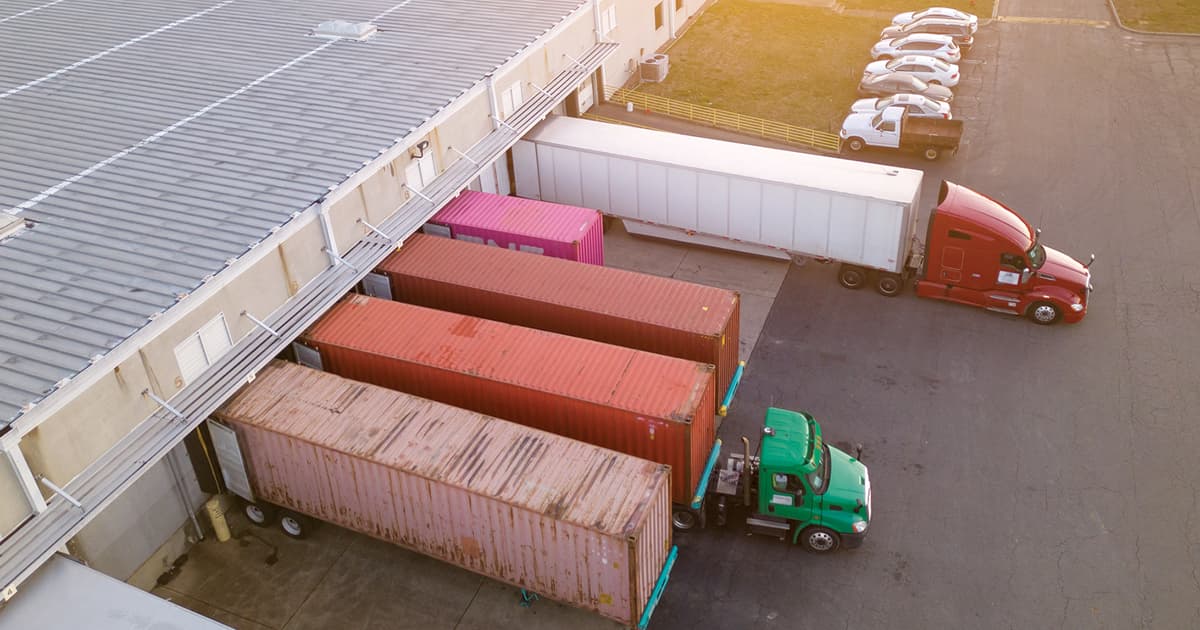
Excessive truck detention, where drivers face prolonged waits at loading and unloading facilities, is imposing a significant financial burden on the U.S. trucking sector, amounting to billions of dollars each year. This persistent problem recently garnered renewed attention when Congress released a report investigating potential strategies to mitigate these delays.
For freight forwarders and operations managers, prolonged detention directly impacts driver hours of service, leading to fewer completed loads and reduced capacity. This can result in higher spot rates as carriers seek to compensate for lost productivity, and potentially increased accessorial charges for shippers. Efficient scheduling and communication between all parties are crucial to minimize these costly delays and maintain supply chain fluidity.