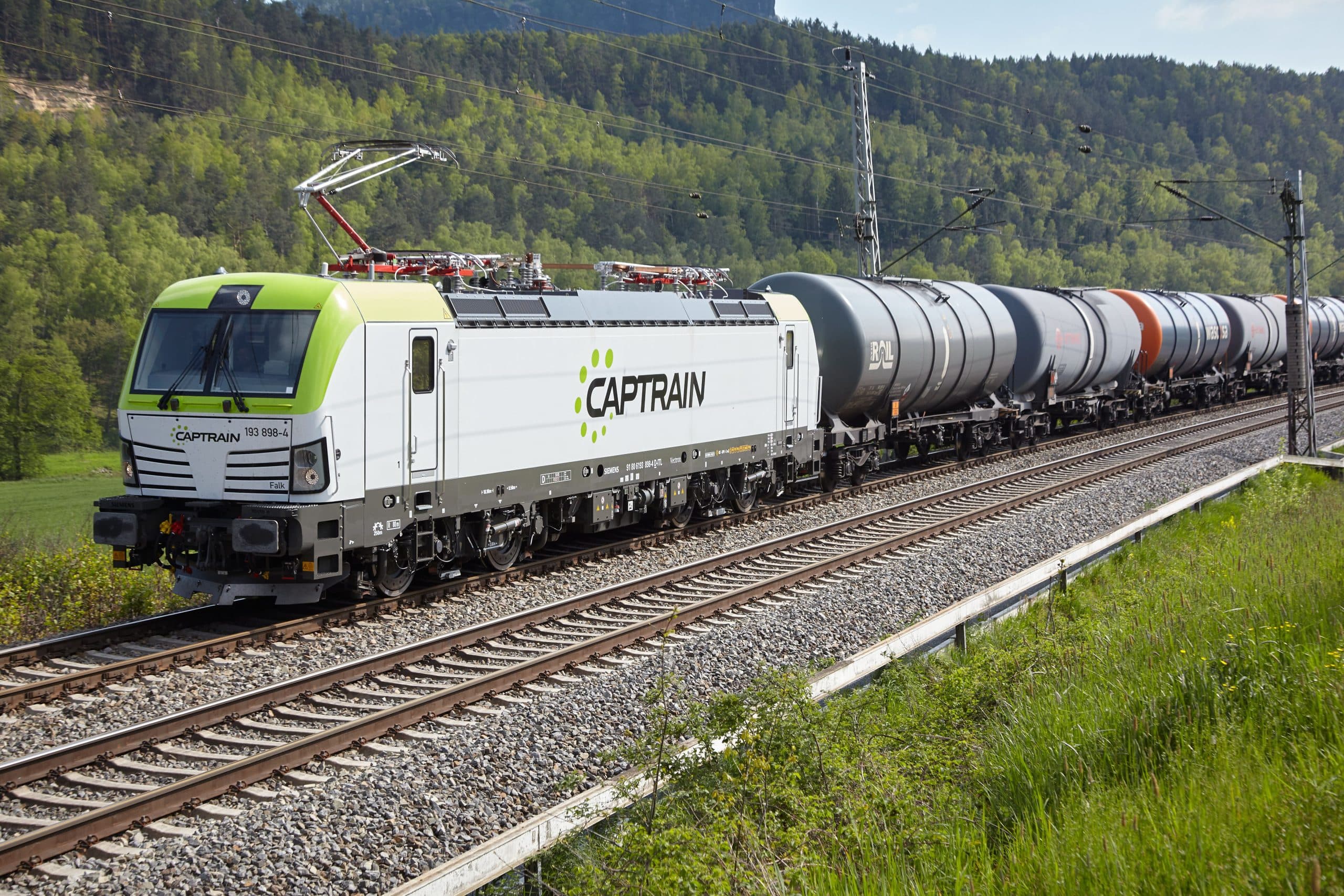
Captrain, a rail freight operator, is promoting the idea that small shipment sizes can be transported economically via rail. This stance directly addresses a long-standing debate within the European rail sector, where many countries are still evaluating the viability of continuing or expanding services for smaller consignments. The United Kingdom, for instance, phased out single wagonload services many decades ago, indicating a historical shift away from this model in some regions.
This perspective from Captrain suggests a potential for innovation in rail logistics, aiming to make rail freight more accessible and competitive for a broader range of cargo volumes. If successful, it could lead to a more diversified offering within the European rail network, moving beyond the traditional focus on full-train or block-train services.
For freight forwarders and operations managers, this development could signify an opportunity to leverage rail for smaller, more frequent shipments, which are currently often routed via road. Increased flexibility in rail capacity for smaller loads might offer cost efficiencies and environmental benefits, potentially reducing reliance on trucking for certain routes. It could also open up new intermodal possibilities, allowing for more granular planning and optimization of supply chains, particularly for cargo that doesn't fill an entire container or wagon. This could lead to a shift in modal split for specific types of goods, enhancing rail's overall market share.