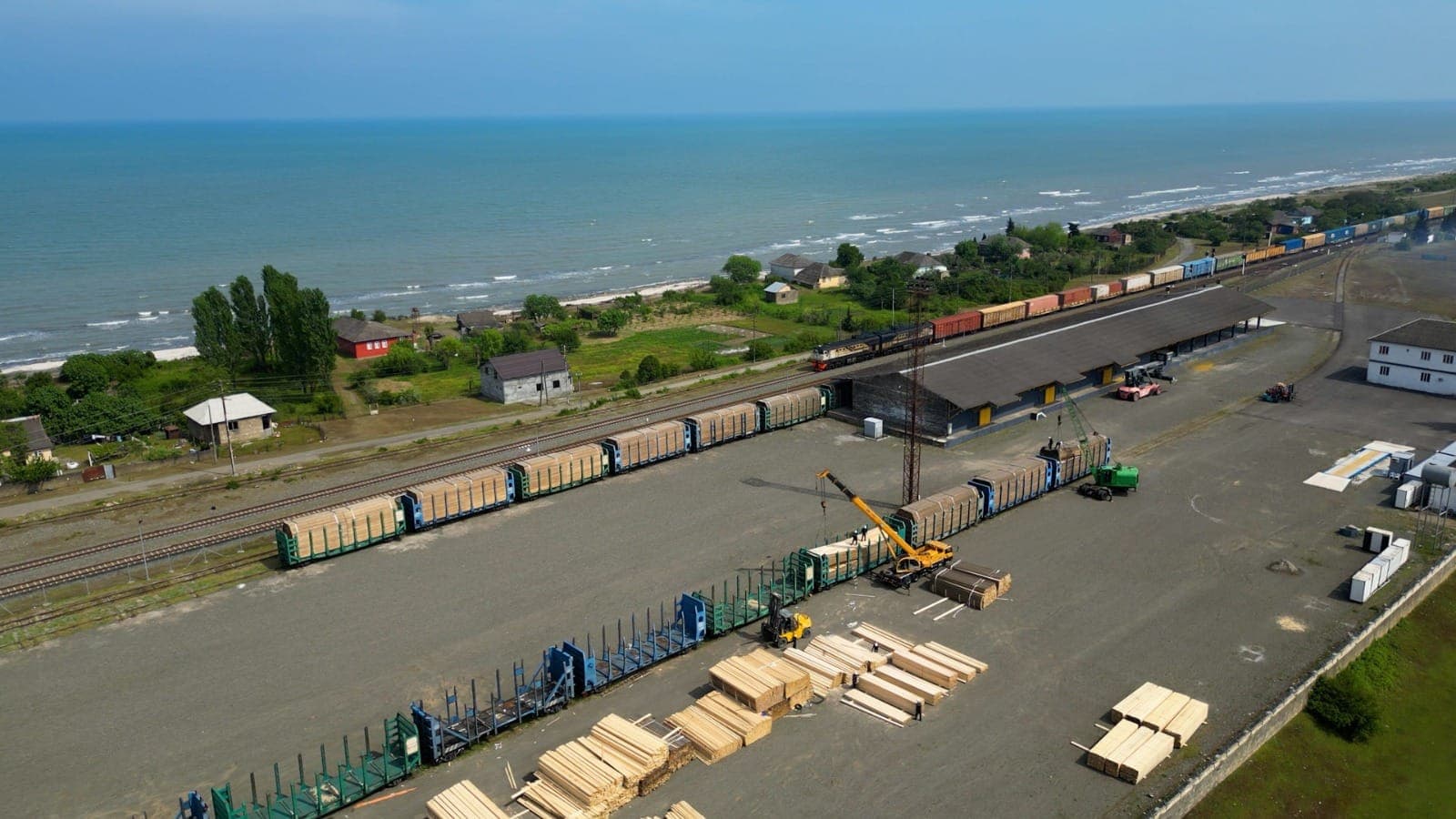
The United Kingdom is actively investigating the potential for redeveloping its extensive portfolio of disused railway land, including redundant marshalling yards, for purposes other than residential housing. This strategic shift aims to unlock economic growth by creating new industrial and logistics facilities.
Historically, much of the focus on brownfield redevelopment in the UK has been on housing. However, the increasing demand for logistics space, driven by e-commerce and supply chain resilience needs, has highlighted the value of well-located land with existing or potential rail access.
For freight forwarders and logistics operators, this initiative could be significant. The repurposing of former rail sites offers the prospect of new intermodal terminals, warehousing, and distribution centers strategically positioned to leverage rail connectivity. This could lead to more efficient freight movements, reduced road congestion, and potentially lower transport costs for certain routes, especially for bulk and intermodal cargo. It also presents opportunities for developing new rail-connected facilities that can support project cargo and heavy-lift operations, further diversifying the UK's freight infrastructure.
While the article does not specify immediate next steps, the focus on economic growth suggests that government and private sector partnerships will be crucial in identifying and developing these sites. This could involve streamlined planning processes and investment incentives to attract logistics developers.