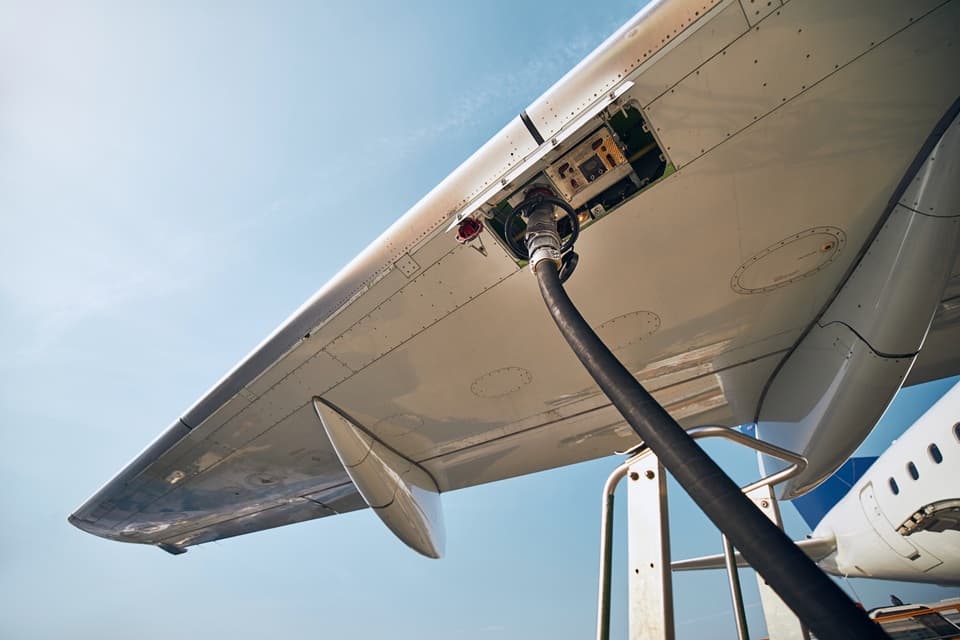
Hapag-Lloyd recently announced the completion of its first simultaneous operations (SIMOPS) bunkering of ISCC-EU certified biomethanol in Busan, South Korea. This operation involved supplying the alternative fuel to the container ship *Seaspan Amazon* while other vessel and port activities proceeded concurrently, demonstrating efficient operational integration.
The biomethanol used was produced at Goldwind’s integrated facility in Hinggan League, China, utilizing corn straw as a feedstock, and delivered via an international supply chain. The facility holds an ISCC EU certificate issued by DQS, verifying the sustainable origin of the fuel.
For freight forwarders and operations managers, this development signifies a tangible step towards the wider adoption of alternative marine fuels. As more carriers like Hapag-Lloyd invest in methanol-enabled vessels and secure biomethanol supply chains, it will gradually increase the availability of greener shipping options. This could lead to new service offerings with lower carbon footprints, potentially impacting routing decisions and offering shippers more sustainable choices, albeit with potential cost implications as green fuel premiums become more common. The ability to conduct SIMOPS bunkering also suggests improved efficiency in port calls for vessels using alternative fuels, minimizing potential delays.