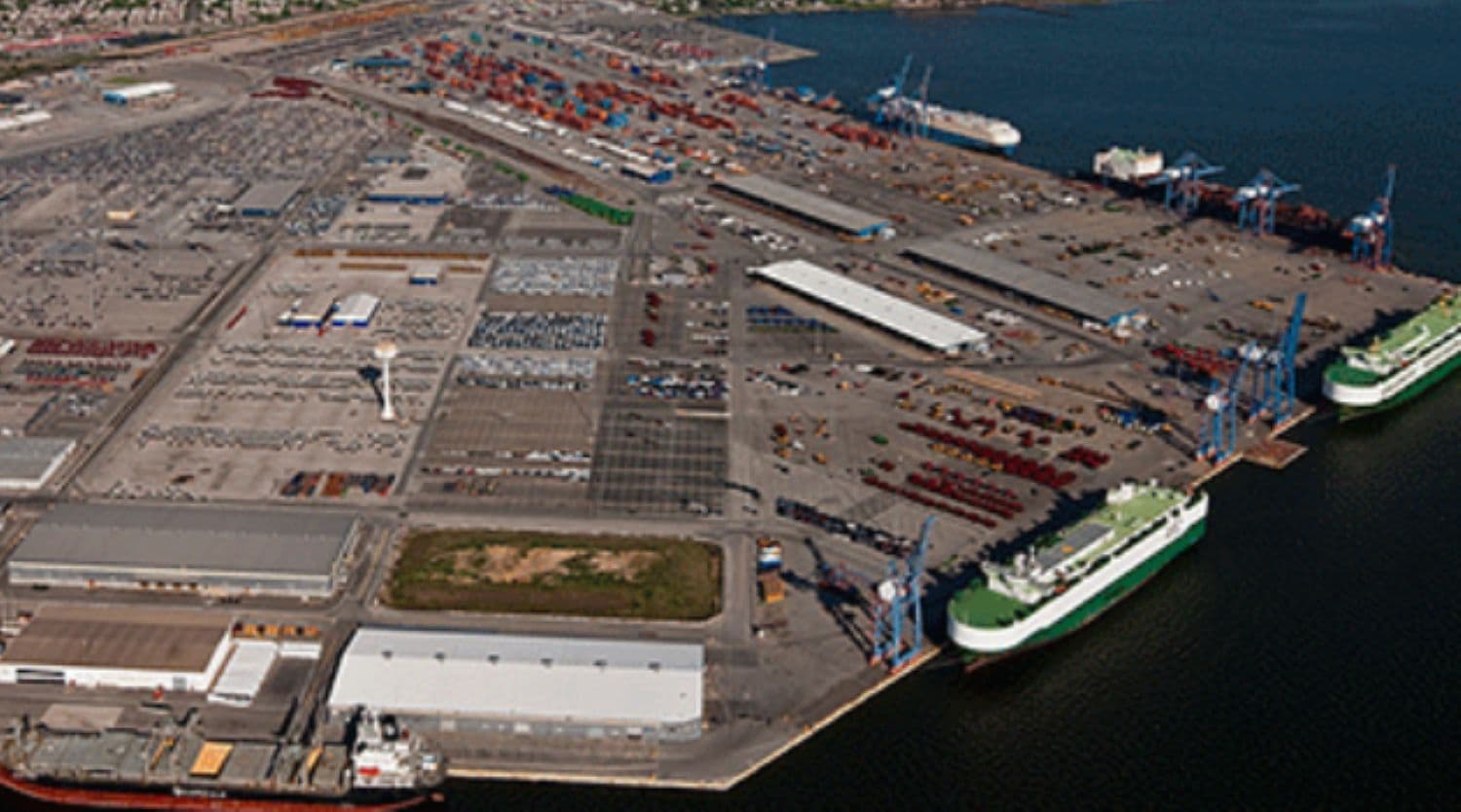
The Port of Baltimore has unveiled a comprehensive, multi-phase plan designed to improve its infrastructure's resilience against the impacts of severe weather. The initial stage of this strategy will focus on the Dundalk Marine Terminal, which serves as the port's primary facility for roll-on/roll-off (ro/ro) cargo. The planned upgrades are specifically aimed at reducing potential damage from storms and maintaining uninterrupted operations.
This initiative comes as ports globally face increasing challenges from climate change and extreme weather. Ensuring the continuity of operations at key facilities like Dundalk is crucial for maintaining supply chain stability, particularly for the automotive sector and other industries reliant on ro/ro shipping.
For freight forwarders and operations managers, these improvements at Baltimore's Dundalk Terminal are expected to translate into greater reliability for ro/ro cargo movements. Reduced vulnerability to weather-related disruptions means fewer delays, more predictable schedules, and potentially lower risks of cargo damage, which can impact insurance premiums and client satisfaction. This proactive approach by the port could enhance Baltimore's attractiveness as a gateway for ro/ro shipments.
The details of this resiliency plan were shared with attendees at the American Association of Port Authorities conference, indicating a broader industry focus on infrastructure hardening.