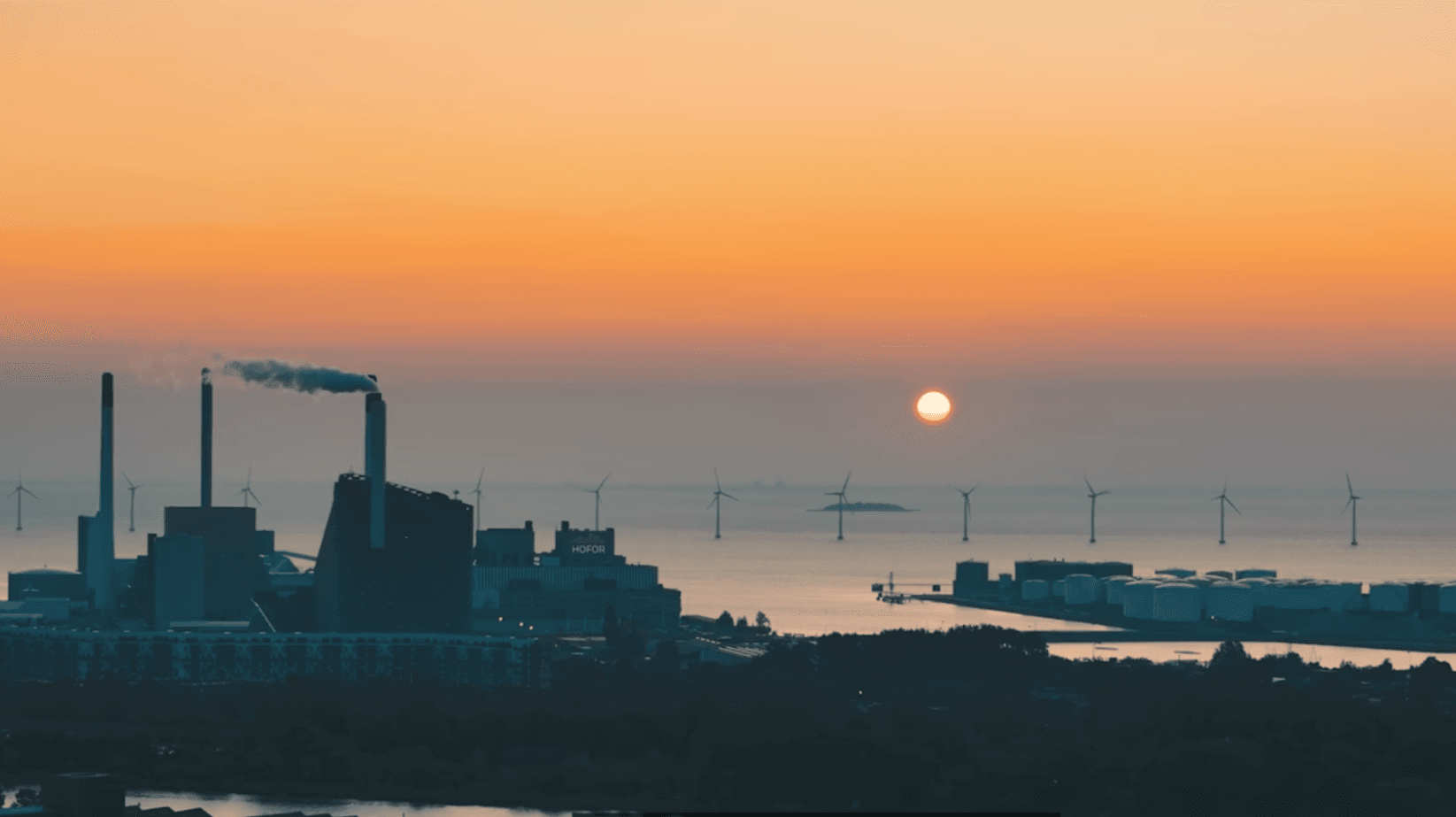
The Port of Hamburg, in collaboration with 22 partners across the Baltic Sea region, is actively pursuing the development of infrastructure for alternative marine fuels. A key focus is on advancing green methanol bunkering capabilities. Simultaneously, the H2DeriBSP project is testing hydrogen fuel infrastructure, establishing safety procedures, and exploring renewable energy investment models to support the adoption of these new fuels.
This concerted effort by the Baltic Sea ports reflects a broader industry trend towards decarbonization and the urgent need for shipping to transition away from traditional fossil fuels. The project aims to address the practical challenges associated with integrating new fuel types, from storage and bunkering logistics to regulatory compliance and operational safety.
For freight forwarders and supply chain managers, these developments signal a future where vessel fuel choices will increasingly impact routing, carrier selection, and potentially, freight costs. As more ports develop alternative fuel capabilities, carriers will have greater flexibility in deploying eco-friendly vessels. However, the initial rollout may lead to regional disparities in fuel availability and pricing, requiring careful planning for bunker calls and potential adjustments to transit times for vessels utilizing these new fuels. Understanding which ports offer green bunkering options will become crucial for optimizing sustainable supply chains.
The ongoing work is expected to lay the groundwork for a more sustainable maritime sector, with further advancements in alternative fuel technologies and infrastructure anticipated as regulatory pressures and environmental commitments intensify.