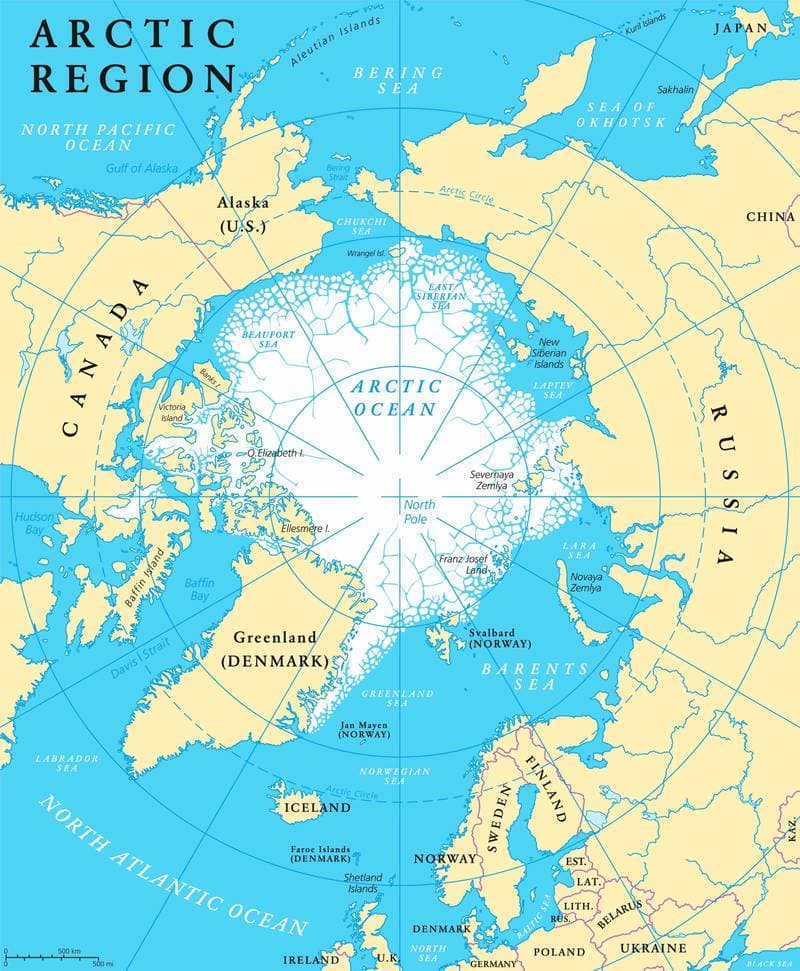
The European Union recently announced a comprehensive Arctic strategy designed to address the region's increasing significance for global security. Key components of this strategy involve strengthening satellite surveillance capabilities, intensifying the monitoring of critical undersea infrastructure like data cables, and providing assistance to EU member countries for the procurement of icebreakers. This strategic pivot acknowledges the Arctic's evolving role in international geopolitics and its growing interest among major global powers.
For freight forwarders and logistics professionals, this strategy could have several implications. Increased surveillance and security measures in the Arctic might lead to more regulated shipping routes and potentially higher compliance costs for vessels operating in the region. The emphasis on icebreakers suggests a long-term view towards maintaining and potentially expanding shipping access through Arctic routes, which could eventually offer alternative trade lanes, particularly as climate change impacts ice coverage. However, any such developments would be gradual and subject to significant infrastructure investment and international cooperation. Enhanced monitoring of undersea cables is also relevant, as damage to this infrastructure can cause widespread communication disruptions, impacting supply chain visibility and digital operations.