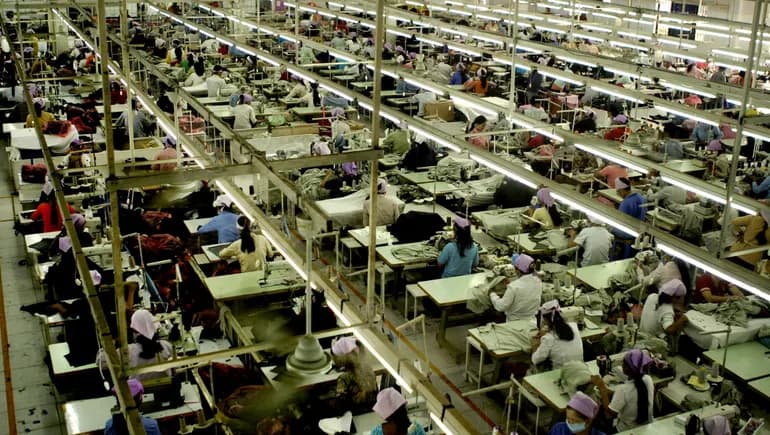
A recent study conducted by the Clean Clothes Campaign has found that a mere four out of 110 prominent clothing brands, which encompass well-known names such as Adidas, Chanel, and Zara, provide public information on the wages paid to garment factory employees within their extensive supply networks. This finding underscores a prevalent lack of transparency regarding labor compensation practices across the global apparel industry.
For freight forwarders and operations managers, this report primarily highlights an increasing focus on ethical sourcing and supply chain visibility, which could indirectly influence logistics decisions. While not directly impacting freight rates or capacity, the growing pressure on brands for greater transparency in labor practices may lead to more stringent auditing requirements for factories. This could, in turn, affect production schedules and lead times, requiring forwarders to adapt to potentially altered shipment readiness dates or new compliance documentation for certain origins. Shippers might also face increased scrutiny from consumers and regulators regarding the ethical footprint of their products, making supply chain integrity a more critical factor in carrier and routing choices.