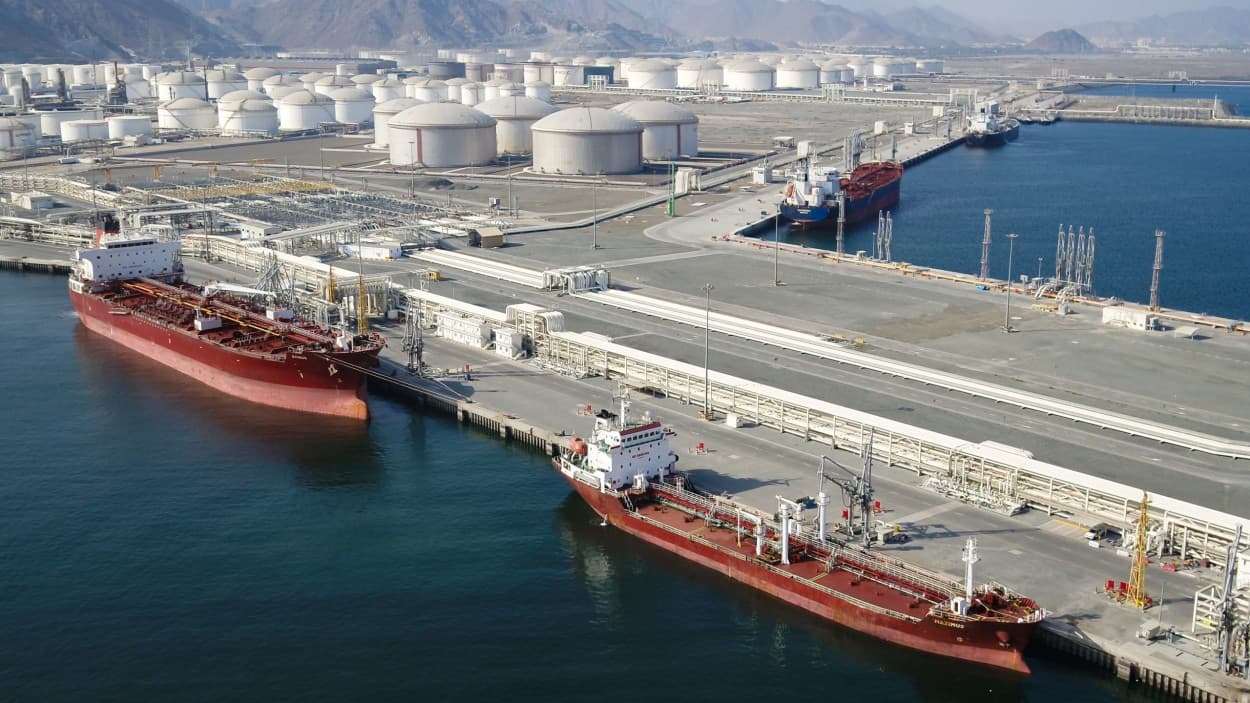
U.S. Representative Salud Carbajal (D-CA-24) has formally requested that the Department of Homeland Security (DHS) provide an explanation regarding its procedures for overseeing waivers to the Jones Act. This demand stems from recent reports that foreign-flagged vessels were involved in the domestic transport of petroleum products, valued at more than $40 million, between U.S. ports. The Jones Act mandates that cargo moved between U.S. ports must be carried on vessels that are U.S.-built, U.S.-owned, U.S.-crewed, and U.S.-flagged.
For freight forwarders and logistics professionals, this scrutiny of Jones Act waivers could signal a potential tightening of enforcement or a reduction in the availability of such waivers. Increased adherence to the Jones Act could lead to higher domestic shipping costs and potentially longer transit times for certain types of cargo, particularly for specialized or bulk commodities like petroleum, if U.S.-flagged capacity is limited. Forwarders might need to factor in these potential changes when planning domestic legs of international shipments or purely domestic movements, especially for project cargo or bulk goods that sometimes rely on waiver provisions.