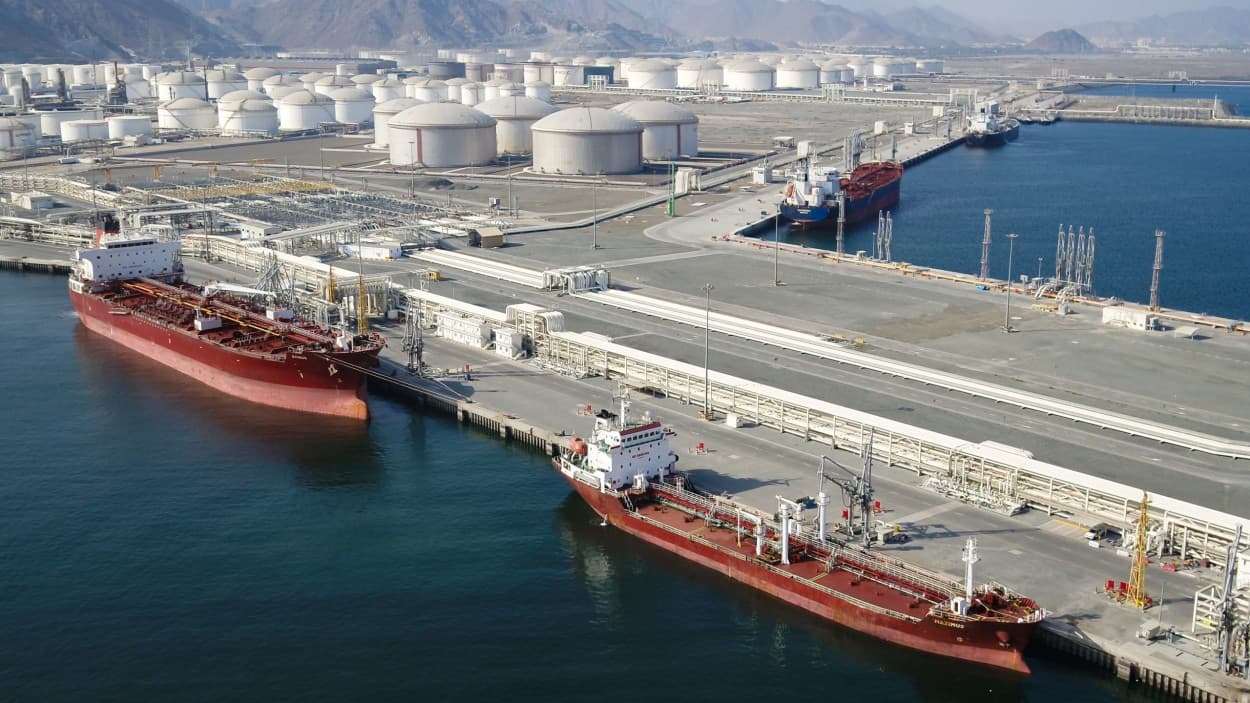
The British Ports Association (BPA) has published new analysis disputing assertions that the European Union's carbon pricing mechanism, specifically the EU Emissions Trading System (ETS), is causing container shipping to bypass EU ports in favor of British ones. The report, titled 'Drivers of UK container growth: Investment, liner restructuring and a reassessment of carbon-leakage narratives,' contends that the increasing competitiveness of UK ports stems from substantial investments in new berths, deeper navigation channels, and enhanced container-handling facilities. It also highlights the impact of liner service restructuring as a key factor.
The BPA warns against characterizing standard port competition as 'regulatory avoidance,' suggesting that such claims are misleading. The organization's findings aim to counteract previous reports that linked the EU ETS to a potential 'carbon leakage' effect, where vessels might reroute to non-EU ports to avoid compliance costs.
For freight forwarders and supply chain analysts, this report suggests that any observed shifts in container traffic to UK ports are likely due to fundamental operational and commercial decisions by carriers, such as optimizing vessel calls and leveraging improved port infrastructure, rather than a direct response to EU carbon pricing. This implies that while the EU ETS adds a cost component, it may not be the primary driver for port selection in the way some analyses have suggested. Forwarders should continue to monitor port efficiency, capacity, and carrier network changes as primary factors influencing routing decisions, rather than solely focusing on carbon pricing differentials between the UK and EU.