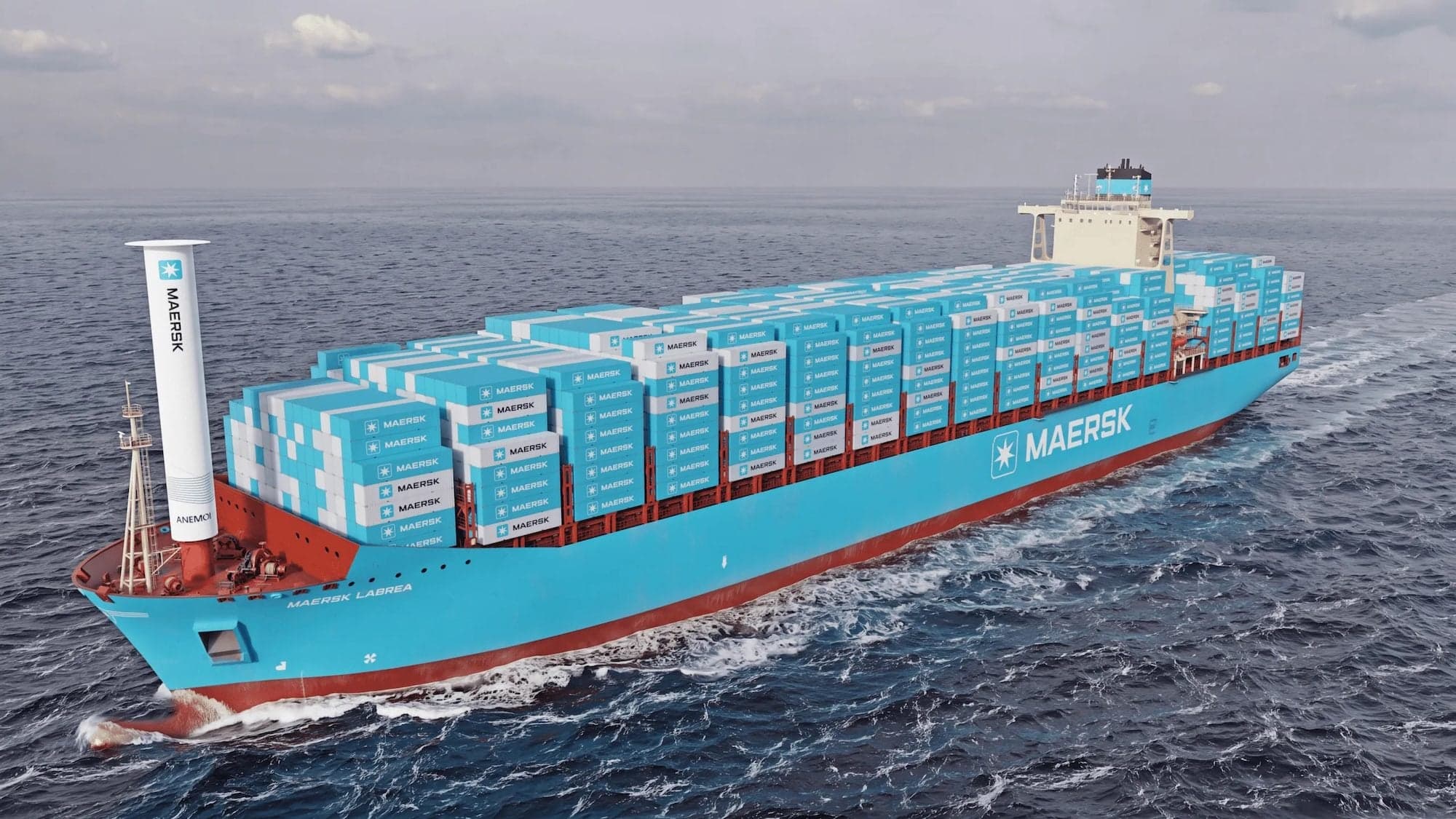
After more than a century of relying solely on engine power, the commercial shipping industry is witnessing a significant return to wind propulsion. Shipowners are actively installing various wind-assisted technologies, including towering rotor sails and rigid wings, across their global fleets. This shift is primarily motivated by the urgent need to decarbonize maritime transport and comply with increasingly stringent environmental regulations.
Historically, sails were the primary means of propulsion for ships until the advent of steam and later diesel engines. The current resurgence is not a full return to traditional sailing ships but rather the integration of modern aerodynamic technologies that supplement engine power, thereby optimizing fuel efficiency and reducing greenhouse gas emissions.
For freight forwarders and shippers, this trend indicates a long-term commitment by carriers to sustainability. While the immediate impact on freight rates or transit times might be limited, the broader adoption of wind propulsion could contribute to more stable operational costs for carriers in the future, potentially mitigating some fuel price volatility. It also aligns with growing shipper demand for greener supply chains. Forwarders should monitor how these technologies affect vessel speeds and schedule reliability, as wind assistance might introduce minor variations in transit times, although the primary goal is efficiency rather than speed.
As the industry progresses towards its decarbonization targets, further innovation and wider implementation of wind propulsion systems are anticipated. This could include more sophisticated designs and integration with other green technologies, ultimately transforming the operational landscape of global shipping.