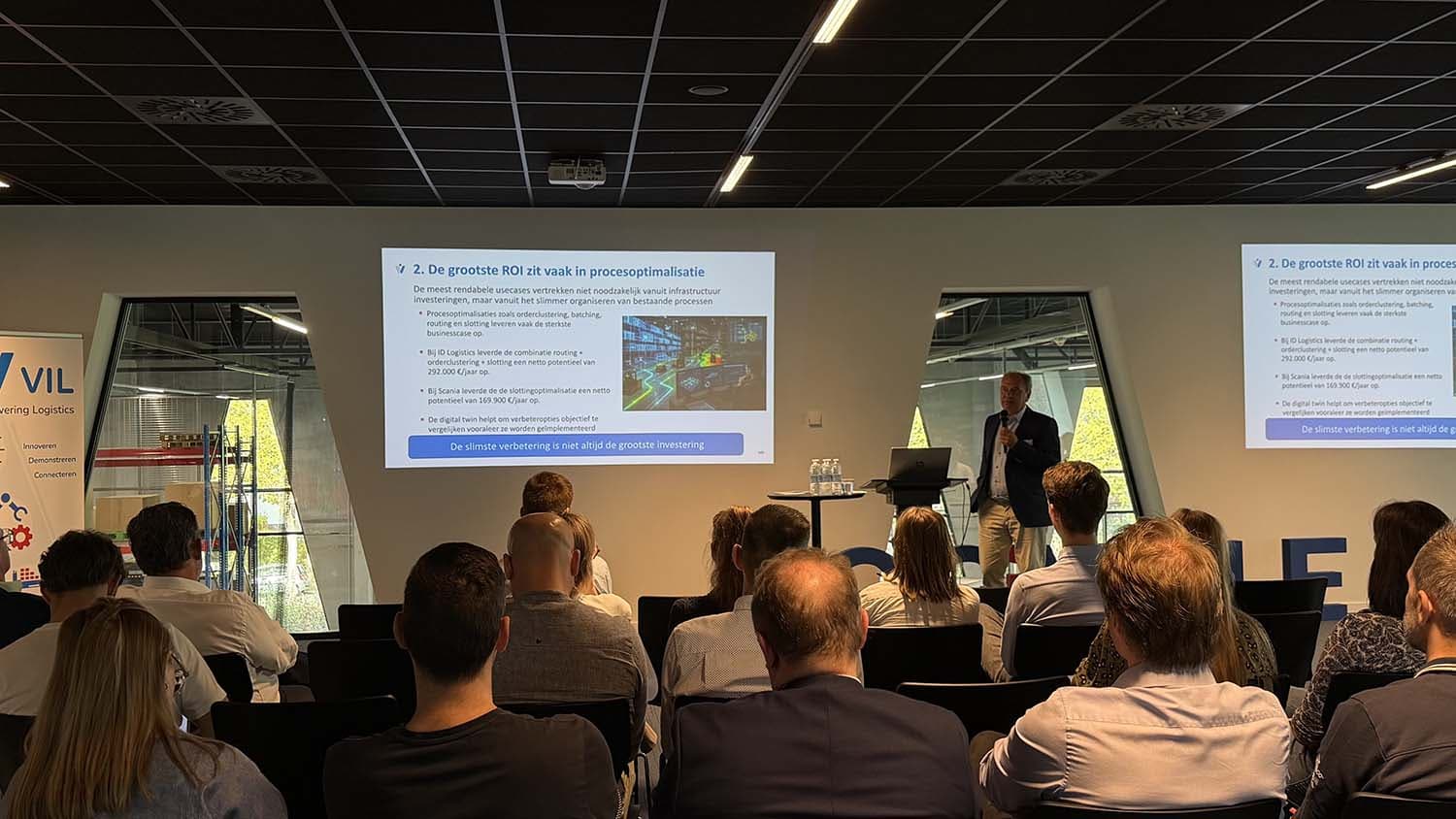
Pilot projects conducted by Scania Parts Logistics and ID Logistics have successfully demonstrated the financial and operational benefits of integrating digital twin technology into warehouse management. Scania reported net annual savings of €169,900, while ID Logistics achieved even greater efficiencies, with savings reaching €292,000 per year. These results stem from the VIL Start2Twin project, which investigated the practical application of digital twins.
The core of the project focused on optimizing warehouse layouts and processes. By creating virtual replicas of their physical warehouses, both companies were able to simulate various scenarios, identify bottlenecks, and streamline workflows without disrupting actual operations. This allowed for significant reductions in the distances employees needed to walk and the time required to process goods.
For freight forwarders and operations managers, this technology signifies a potential for enhanced efficiency and cost reduction in their own or client-managed warehouses. Implementing digital twins could lead to improved inventory management, faster order fulfillment, and better utilization of storage space. The ability to simulate changes before physical implementation minimizes risk and optimizes resource allocation, ultimately contributing to more competitive logistics services. While the initial investment in such technology might be considerable, the reported savings suggest a strong return on investment through operational improvements.