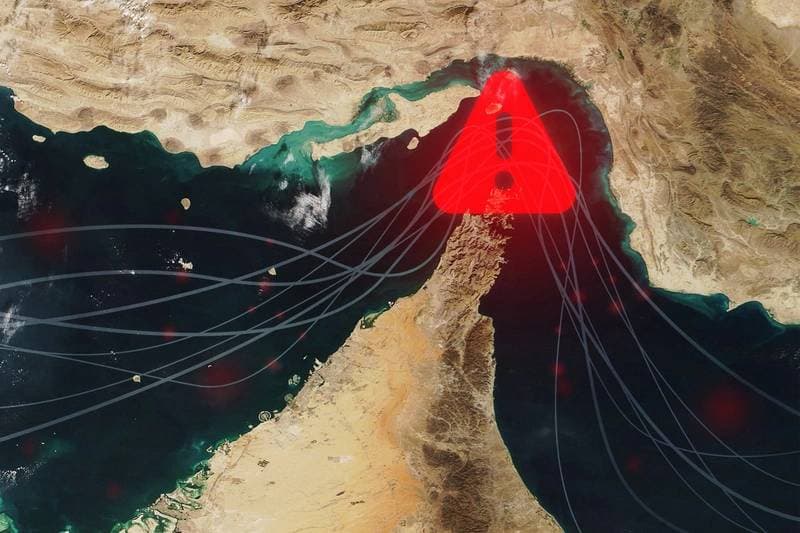
Preliminary shipping data released on Wednesday revealed a sharp decline in vessel traffic through the Strait of Hormuz. On Tuesday, only four ships transited the strait, a notable reduction from seven vessels recorded on Monday. This figure is substantially lower than the average of 18 crossings observed over the preceding 10 days.
This significant drop in traffic through a critical global chokepoint could signal potential disruptions or shifts in maritime activity in the region. The Strait of Hormuz is a vital passage for oil and gas shipments, as well as general cargo, connecting the Persian Gulf with the Arabian Sea and beyond.
For freight forwarders and supply chain managers, a sustained reduction in vessel transits through the Strait of Hormuz could lead to increased lead times, potential delays, and higher operational costs if alternative routes or shipping schedules become necessary. It may also affect the availability of vessel capacity in the region, impacting rate negotiations and cargo planning. Monitoring the situation closely will be crucial for managing shipment flows and mitigating risks.