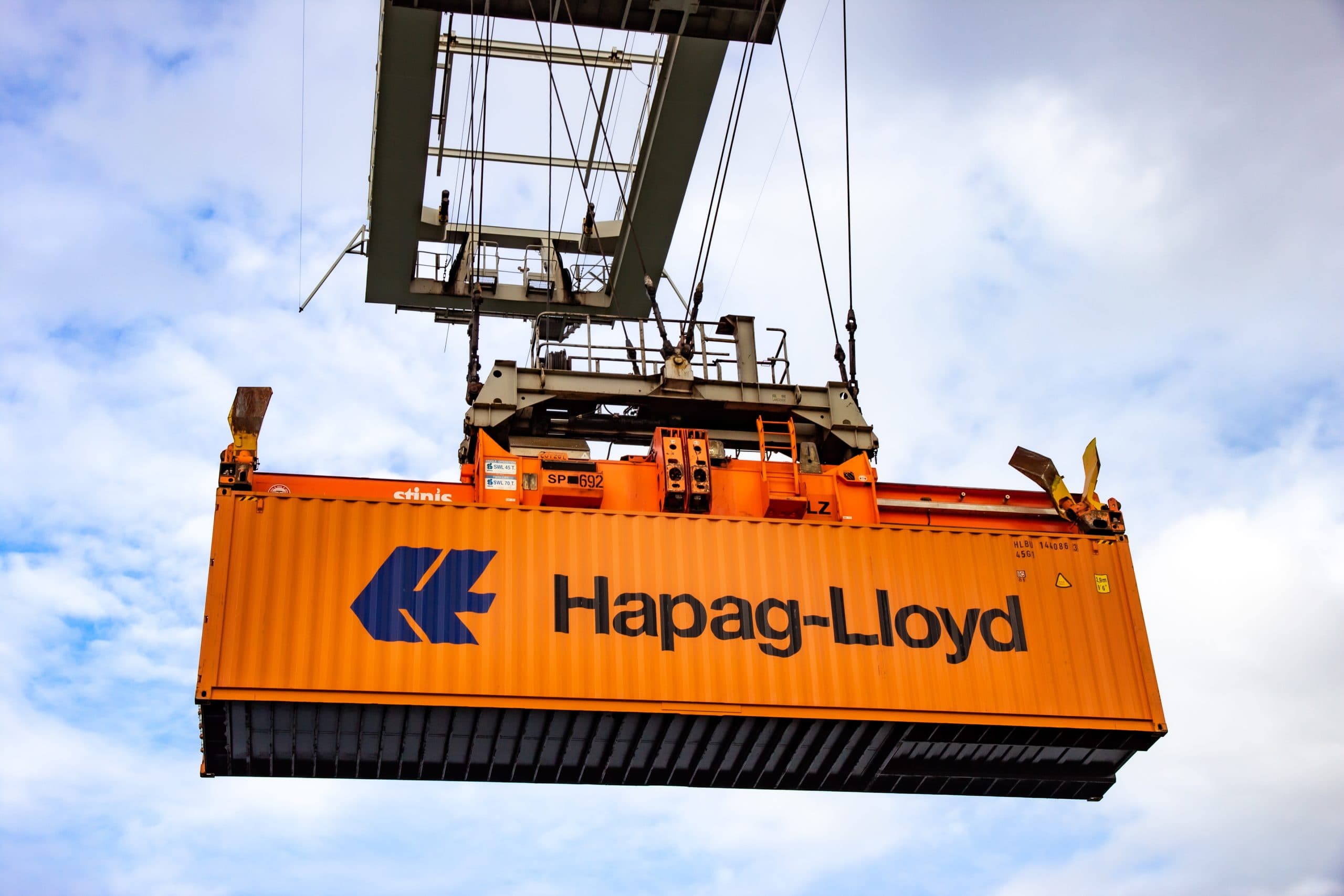
Shipping major Hapag-Lloyd has begun to rely more heavily on rail freight for its European inland logistics. This shift comes as the Rhine River continues to experience significantly low water levels, which have severely hampered the operational capacity of barges, a traditional mode for transporting goods to and from major ports.
For freight forwarders and operations managers, this development signals a potential increase in demand for rail services, particularly for cargo moving through Germany and other regions dependent on the Rhine. This could lead to tighter rail capacity and possibly higher costs for inland legs. Forwarders should consider rail as a primary alternative for Rhine-dependent routes and factor in potential lead time adjustments due to modal shifts. It also highlights the importance of multimodal flexibility in supply chain planning to mitigate environmental disruptions.