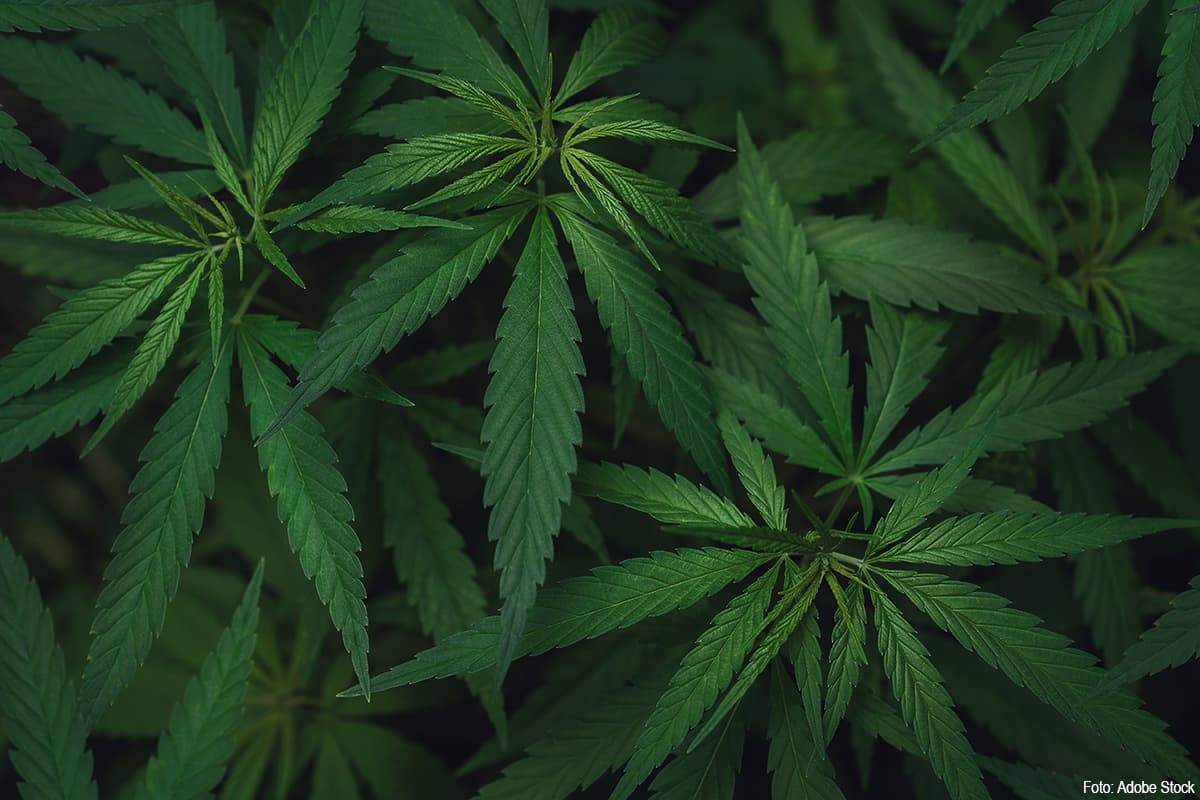
A suspect facing charges for importing more than 900 kilograms of cannabis has been provisionally released from custody by the Limburg court in Roermond. While the court acknowledged that significant suspicions against the individual persist, the decision to release was influenced by the unusually low tetrahydrocannabinol (THC) concentration found in the cannabis.
This case highlights the complexities in prosecuting drug-related offenses, particularly when the psychoactive component (THC) is minimal, potentially blurring the lines between illegal narcotics and industrial hemp, which is legal in some contexts. The legal framework surrounding cannabis and hemp often differentiates based on THC levels, with lower percentages typically indicating a non-narcotic product.
For freight forwarders and logistics professionals, this case underscores the critical importance of due diligence and clear documentation for all cargo, especially those involving controlled substances or products with varying legal definitions across jurisdictions. Understanding the specific chemical composition and legal status of goods, such as THC levels in cannabis, is vital to avoid legal complications and ensure compliance with international and national regulations. The potential for legal exceptions based on product characteristics means that what might be considered illegal in one context could be treated differently if specific criteria, like low THC content, are met.
The court's decision to release the suspect does not imply an acquittal, as serious objections against him remain. The legal proceedings will continue to determine the final outcome, likely focusing on the precise legal classification of the transported material and any applicable exceptions.